Yo! I’m a supplier of patrol boats, and today I wanna talk about the options for armoring these bad boys. Patrol boats are used in all sorts of situations, from coastal security to anti – piracy operations, and having the right armor can make a huge difference. Patrol Boats
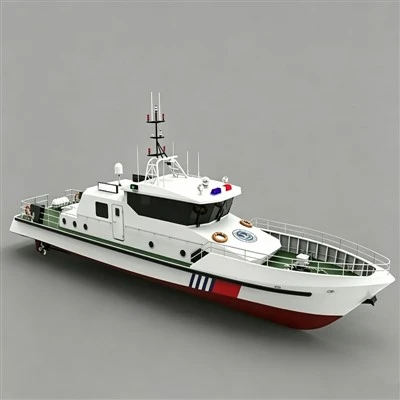
First off, let’s talk about the types of threats patrol boats face. You’ve got small arms fire, like pistols and rifles, which are pretty common in low – intensity conflicts. Then there are larger threats, such as rocket – propelled grenades (RPGs) and anti – ship missiles. The armor you choose depends on what kind of threats you’re likely to encounter.
One of the most common options for armoring patrol boats is steel armor. Steel is tough and can withstand a fair amount of punishment. It’s been around for ages and is well – understood. You can get different grades of steel, with varying levels of hardness and thickness. For example, high – hardness steel is great for stopping small arms fire. It can absorb the impact and prevent the bullets from penetrating the boat’s hull. But steel has its drawbacks. It’s heavy, and that extra weight can slow down the boat and reduce its fuel efficiency. Also, over time, steel can rust, especially in a marine environment, so you need to do regular maintenance.
Another option is aluminum armor. Aluminum is much lighter than steel, which is a big plus. It doesn’t add as much weight to the boat, so the boat can go faster and use less fuel. It’s also resistant to corrosion, which is super important when you’re out on the water all the time. However, aluminum isn’t as strong as steel. It might not be able to stop larger projectiles like RPGs as effectively. But for smaller threats, like small arms fire, it can do a pretty good job.
Composite armor is a newer option that’s been gaining popularity. It’s made up of different materials, like fiberglass, ceramics, and Kevlar. The idea behind composite armor is to combine the best properties of each material. For example, ceramics are really hard and can shatter incoming projectiles, while Kevlar is flexible and can absorb the energy of the impact. Composite armor is lightweight, like aluminum, and can be very effective against a wide range of threats. But it’s also more expensive than steel or aluminum. And if it gets damaged, it can be more difficult to repair.
Now, let’s talk about how the armor is installed on the patrol boats. There are two main ways: integral and add – on.
Integral armor is built into the boat during the manufacturing process. This means that the armor is part of the boat’s structure. It’s usually more secure and can provide better protection because it’s designed to work with the boat’s overall design. But it also means that if you want to change the armor later, it can be a real pain. You might have to do major modifications to the boat.
Add – on armor, on the other hand, is installed after the boat is built. It’s more flexible because you can add or remove the armor as needed. You can also upgrade the armor easily if you face new threats. However, add – on armor might not be as well – integrated with the boat’s structure, and there could be some weak points where the armor attaches to the boat.
When choosing the right armor for your patrol boats, you also need to think about the cost. Steel is generally the cheapest option, followed by aluminum. Composite armor is the most expensive. But you can’t just go for the cheapest option. You need to balance the cost with the level of protection you need. If you’re operating in a high – threat area, you might need to invest in more expensive armor.
Another factor to consider is the maintenance. As I mentioned earlier, steel needs regular maintenance to prevent rust. Aluminum is pretty low – maintenance, but it still needs to be inspected for damage. Composite armor also needs to be inspected regularly, and if it gets damaged, it might require specialized repair.
You also have to think about the boat’s performance. The extra weight of the armor can affect the boat’s speed, maneuverability, and fuel consumption. You need to make sure that the armor you choose doesn’t compromise the boat’s performance too much.
Now, let me tell you a bit about our patrol boats. We offer a range of options when it comes to armoring. We can provide steel, aluminum, or composite armor, depending on your needs. We can do both integral and add – on armor installations. Our team of experts can help you choose the right armor for your specific situation. Whether you’re a coast guard looking to protect your shores or a private security firm dealing with piracy, we’ve got you covered.
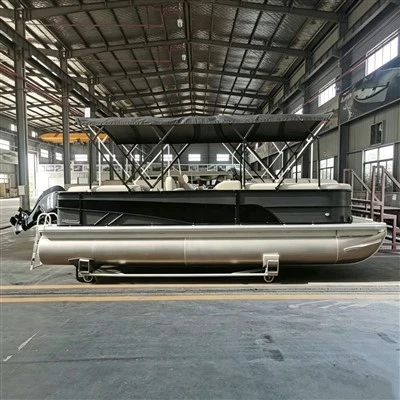
If you’re in the market for a patrol boat with the right armor, we’d love to have a chat with you. We can discuss your requirements, show you our options, and give you a quote. Don’t hesitate to reach out and start a conversation. We’re here to help you get the best – armored patrol boat for your needs.
Patrol Boats References:
- Naval Vessel Design and Construction Manual
- Marine Armor Technology Handbook
Longkou Jinda Shipping Co., Ltd.
With abundant experience, we are one of the most professional patrol boats manufacturers and suppliers in China. Please feel free to buy high quality patrol boats made in China here from our factory. We also accept customized orders.
Address: North of Shuangyu Village, Xingjia Sub-district, Longkou City, Yantai City, Shandong Province
E-mail: Leo99999@qq.com
WebSite: https://www.jindaship.com/
