In the realm of functional textiles, reflective fabric stands out as a remarkable innovation. As a supplier deeply entrenched in the reflective fabric industry, I’ve encountered numerous inquiries about the fabric’s properties, with breathability being a paramount concern. This blog post aims to delve into the intricate question: Is reflective fabric breathable? Reflective Fabric
Understanding Reflective Fabric: A Brief Overview
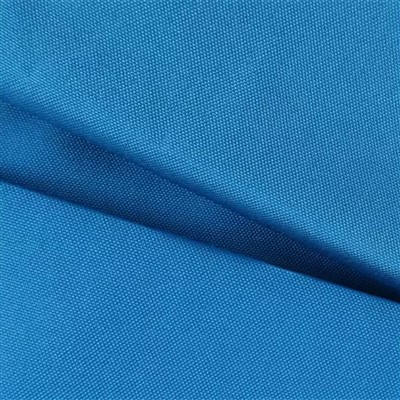
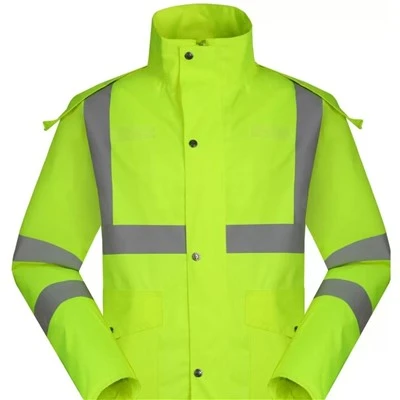
Before delving into the breathability aspect, it’s essential to understand what reflective fabric is and how it functions. Reflective fabric is engineered with tiny glass beads or prismatic elements embedded on its surface. These reflective elements have the unique ability to redirect light back towards its source, making the wearer highly visible in low – light conditions. This quality has made reflective fabric a staple in safety clothing for industries such as construction, roadwork, and cycling.
The manufacturing process of reflective fabric varies, but most commonly, it involves applying a reflective layer onto a base fabric. The base fabric can be made from various materials such as polyester, nylon, or cotton blends. The choice of base fabric significantly impacts the overall properties of the reflective fabric, including its breathability.
Factors Affecting the Breathability of Reflective Fabric
1. Base Fabric Material
The base fabric is the foundation upon which the reflective elements are applied, and its material properties play a crucial role in determining breathability.
-
Polyester: Polyester is a synthetic fiber widely used in reflective fabric production. It is known for its durability, wrinkle – resistance, and quick – drying properties. However, polyester is generally less breathable than natural fibers. Its tightly woven structure restricts the movement of air and moisture through the fabric, leading to a feeling of sweat build – up and discomfort during prolonged wear.
-
Nylon: Nylon is another synthetic fiber commonly used as a base for reflective fabric. It is lightweight, strong, and has good abrasion resistance. Similar to polyester, nylon is not as breathable as natural fibers. It tends to trap heat and moisture, making the wearer feel hot and sticky, especially in humid conditions.
-
Cotton and Cotton Blends: Cotton is a natural fiber renowned for its breathability. It has a porous structure that allows air to circulate freely, wicking moisture away from the body and keeping the wearer cool. When used as a base fabric for reflective applications, cotton or cotton blends can significantly enhance the breathability of the reflective fabric. However, cotton may lack the durability and abrasion resistance required for some industrial applications.
2. Reflective Layer Thickness and Composition
The reflective layer of the fabric also has a direct impact on its breathability. A thick and dense reflective layer can act as a barrier, preventing air and moisture from passing through the fabric.
-
Glass Bead Reflective Layers: Glass bead – based reflective fabrics typically have a thin layer of glass beads applied to the surface. These beads are usually small and spaced out, allowing for some degree of air permeation. However, if the bead layer is too thick or densely packed, it can impede air movement and reduce breathability.
-
Prismatic Reflective Layers: Prismatic reflective fabrics feature a more complex structure with microscopic prisms that reflect light. These prismatic layers can be relatively thick, especially in high – performance reflective materials. As a result, they may have a greater impact on breathability compared to glass bead reflective fabrics.
3. Weave and Knit Structure
The weave or knit structure of the reflective fabric affects its breathability. Different weave patterns create varying levels of porosity.
-
Plain Weave: Plain weave is one of the simplest and most common weave patterns. It consists of a simple over – and – under pattern, which creates a relatively tight fabric structure. While plain – woven reflective fabrics are often durable, they tend to be less breathable due to the limited air channels within the weave.
-
Twill Weave: Twill weave has a diagonal pattern, which creates a looser and more open structure compared to plain weave. This allows for better air circulation and improved breathability. Reflective fabrics with a twill weave are often more suitable for applications where breathability is a priority.
Measuring Breathability
In the textile industry, breathability is typically measured using two key parameters: air permeability and moisture vapor transmission rate (MVTR).
-
Air Permeability: Air permeability measures the amount of air that can pass through a fabric in a given time under a specific pressure difference. It is usually expressed in cubic feet per minute per square foot ($ft^3/min/ft^2$) or liters per square meter per second ($l/m^2/s$). A higher air permeability value indicates a more breathable fabric.
-
Moisture Vapor Transmission Rate (MVTR): MVTR measures the rate at which moisture vapor can pass through a fabric. It is expressed in grams per square meter per 24 hours ($g/m^2/24h$). A higher MVTR value means that the fabric can transmit moisture vapor more effectively, keeping the wearer dry and comfortable.
Innovative Solutions for Breathable Reflective Fabric
As a supplier, I’m committed to providing innovative solutions to enhance the breathability of reflective fabric without compromising its reflective properties.
-
Advanced Base Fabric Technologies: We are constantly exploring new base fabric materials and treatments to improve breathability. For example, we are working with moisture – wicking polyester blends that have been engineered to enhance air circulation and moisture management. These fabrics combine the durability of polyester with the breathability of moisture – wicking technologies.
-
Microperforated Reflective Layers: To address the issue of the reflective layer impeding breathability, we have developed microperforated reflective layers. These tiny perforations allow air and moisture to pass through the reflective layer, improving overall breathability while maintaining high – level reflectivity.
Applications of Breathable Reflective Fabric
The demand for breathable reflective fabric is growing across various industries, especially in applications where comfort is as important as safety.
-
Sportswear: In the sportswear industry, cyclists, runners, and other athletes are increasingly using breathable reflective fabric. It allows them to stay visible during early morning or evening workouts while ensuring comfort during intense physical activity.
-
Workwear: For workers in industries such as construction, logistics, and transportation, breathable reflective fabric can significantly improve comfort during long shifts. Workers are more likely to wear safety clothing when it is comfortable, which ultimately enhances workplace safety.
Conclusion
In conclusion, the breathability of reflective fabric is a complex topic influenced by multiple factors, including the base fabric material, the reflective layer, and the weave structure. While traditional reflective fabrics may have limitations in terms of breathability, advancements in textile technology are making it possible to produce reflective fabrics that offer both high visibility and excellent breathability.
As a dedicated reflective fabric supplier, we understand the importance of meeting the diverse needs of our customers. Whether you are looking for a highly breathable reflective fabric for sportswear or a durable and breathable solution for workwear, we have the expertise and resources to provide you with the best products.
Poncho Fabric If you are interested in learning more about our breathable reflective fabric or would like to discuss a potential purchase, please feel free to reach out to us. We’re eager to engage in discussions and find the perfect reflective fabric solutions for your specific requirements.
References
- ASTM International. (Year). Standard Test Methods for Air Permeability of Textile Fabrics. ASTM D737.
- ISO. (Year). Textiles – Determination of Water Vapour Permeability – Part 1: Evaporation Method. ISO 15496.
- Textile Institute. (Year). Handbook of Technical Textiles. Woodhead Publishing.
Wujiang Jiashunxin Spray Weaving Co., Ltd.
As one of the most professional reflective fabric manufacturers and suppliers in China, we’re featured by quality products and good service. We warmly welcome you to wholesale bulk customized reflective fabric from our factory. If you have any enquiry about free sample, please feel free to email us.
Address: Xingli New Village, Lili Town, Wujiang District, Suzhou City, Jiangsu Province
E-mail: xuzhiqiang20260525@163.com
WebSite: https://www.shunbangfabric.com/
