Hey there! I’m a supplier of paper for the cable industry, and I’ve seen firsthand the differences in paper technology among various cable manufacturers. In this blog, I’ll share some insights on what sets these manufacturers apart when it comes to the paper they use in their cables. Paper for The Cable Industry
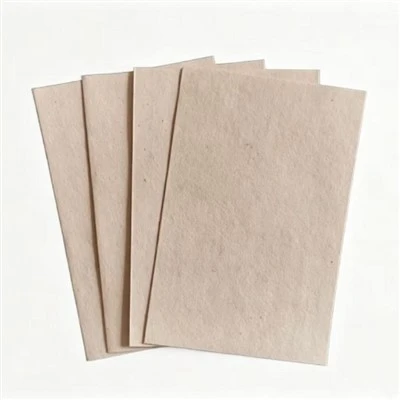
Understanding the Role of Paper in Cables
First off, let’s talk about why paper is such a big deal in the cable industry. Paper has been used in cable insulation for ages because it’s got some great properties. It’s a good insulator, which means it helps prevent electricity from leaking out of the cables. It’s also flexible, so it can wrap around the conductors easily, and it’s relatively cheap compared to some other insulation materials.
But not all paper is created equal. Different manufacturers use different types of paper technology to meet their specific needs. These differences can impact the performance, durability, and cost of the cables.
Types of Paper Technology Used
Kraft Paper
A lot of cable manufacturers still rely on kraft paper. It’s made from wood pulp using a chemical process called the kraft process. Kraft paper is strong and has good electrical insulating properties. It’s also resistant to moisture to some extent.
Some manufacturers use standard kraft paper that’s been around for a while. It gets the job done, but it might not have the most advanced features. Other more tech – savvy manufacturers have started using treated kraft paper. They treat the paper with special chemicals to improve its properties even further. For example, they might make it more resistant to high temperatures or more durable against abrasion.
Impregnated Paper
Impregnated paper is another popular option. This is where the paper is soaked in a special substance, usually a resin or an oil. The impregnation process fills the pores in the paper, making it more resistant to moisture and improving its dielectric properties.
Some manufacturers use a simple impregnation process, where they just dip the paper in the resin or oil. Others have more sophisticated methods. They might use a vacuum impregnation technique, which ensures that the impregnating substance gets deep into the paper fibers. This results in a more uniform and high – quality insulation.
The type of impregnating substance also varies. Some use mineral oils, which are good for high – voltage applications. Others use synthetic resins, which can offer better performance in terms of environmental friendliness and long – term stability.
Differences in Manufacturing Processes
Pulping
The process of turning wood into pulp is a crucial step in paper production. Some cable manufacturers have their own pulping facilities, while others buy pre – made pulp.
Manufacturers with their own pulping facilities have more control over the quality of the paper. They can choose the type of wood they use, the pulping chemicals, and the process parameters. For example, they might use a mixture of softwood and hardwood to get a balance of strength and flexibility in the paper.
On the other hand, manufacturers who buy pre – made pulp rely on their suppliers. They have less control over the initial stages of paper production, but they might save on the cost and infrastructure of running a pulping plant.
Paper Formation
Once the pulp is ready, it’s formed into paper. There are different methods for paper formation, and different manufacturers might prefer one over the other.
The Fourdrinier machine is a common method for making paper. It’s a continuous process where the pulp is spread out on a moving wire mesh, and the water is drained away. Some manufacturers use state – of the – art Fourdrinier machines with advanced controls to get a very uniform paper thickness and quality.
Other manufacturers might use a cylinder mold machine. This method is a bit older, but it can still produce high – quality paper, especially for certain types of cable applications. It can be better for making thicker papers or papers with special surface patterns.
Quality and Performance Differences
Electrical Performance
One of the most important factors in cable paper is its electrical performance. Different paper technologies can have a big impact on things like dielectric constant and dissipation factor.
Manufacturers who use advanced paper technologies often end up with cables that have better electrical performance. For example, cables with treated kraft paper or impregnated paper with a well – designed impregnation process tend to have lower dielectric constants and dissipation factors. This means less energy is lost as heat during the operation of the cable, which is great for efficiency.
Mechanical Performance
Mechanical performance is also crucial. Cables need to be able to withstand bending, stretching, and vibration without the paper insulation breaking down.
Manufacturers that use high – strength papers, like those made from a good blend of pulps or with proper treatment, have cables that are more mechanically robust. For example, a cable with a more durable paper insulation is less likely to develop cracks or breaks during installation or while in use.
Environmental Resistance
Cables can be exposed to all sorts of environmental conditions, from moisture and humidity to extreme temperatures. Different paper technologies offer different levels of environmental resistance.
Some manufacturers focus on making papers that are highly resistant to moisture. They might use hydrophobic treatments or impregnate the paper with moisture – resistant substances. This is especially important for cables that are used in underground or underwater applications.
Other manufacturers focus on temperature resistance. They develop papers that can withstand high temperatures without losing their insulating properties. These cables are often used in industrial settings or in power transmission lines where heat can be a problem.
Cost Considerations
The differences in paper technology also have a big impact on cost. Generally, more advanced paper technologies are more expensive.
Manufacturers that use standard kraft paper without any special treatments can produce cables at a lower cost. This is great for applications where cost is a major factor, like some low – voltage or short – distance cables.
On the other hand, manufacturers that invest in advanced paper technologies, like vacuum – impregnated papers or papers with special coatings, have higher production costs. But they can offer cables with better performance, which might be worth the extra cost for high – end applications, such as long – distance power transmission or high – voltage substations.
Why It Matters to You
As a cable manufacturer or someone involved in the cable industry, understanding these differences in paper technology is crucial. The type of paper you use in your cables can affect their performance, reliability, and cost.
If you’re looking for a cable that offers the best electrical performance and long – term durability, you might want to consider cables made with advanced paper technologies. But if cost is your main concern, standard paper options could be a better fit.
Let’s Talk!
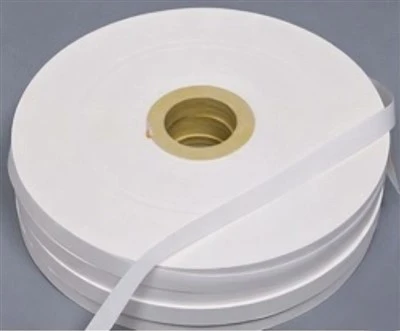
I hope this blog has given you a better understanding of the differences in paper technology among cable manufacturers. As a supplier of paper for the cable industry, I’m here to help you find the right paper solution for your needs. Whether you’re looking for high – performance paper for your next big project or a cost – effective option for a smaller job, I’ve got you covered.
Wool Paper If you’re interested in learning more or want to start a conversation about purchasing paper for your cable manufacturing, don’t hesitate to reach out. We can discuss your specific requirements and find the best paper technology for your cables.
References
- "Handbook of Electrical and Electronic Insulating Materials" – This book provides in – depth information on various insulation materials used in the cable industry, including different types of paper.
- Industry reports from cable manufacturing associations. These reports often contain data on the latest trends and technologies in cable paper production.
Shanghai Rongying Industrial Co., Ltd.
As one of the most professional paper for the cable industry manufacturers and suppliers in China, we’re featured by quality products and good price. Please rest assured to wholesale customized paper for the cable industry from our factory. If you have any enquiry about quotation and free sample, please feel free to email us.
Address: Jiahua Business Center C building 204 room, No.808 Hongqiao Road,Xuhui District,Shanghai,China
E-mail: info@shryspecialtypaper.com
WebSite: https://www.woolpaper.com/
