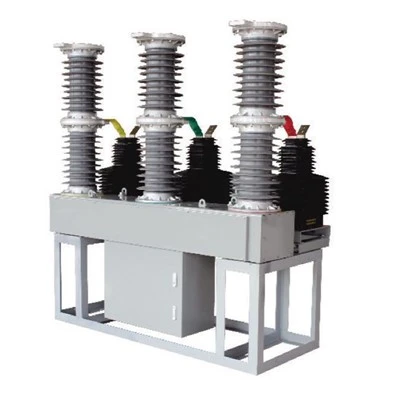
As a provider of high-voltage fuses, I’ve encountered numerous inquiries regarding the emergency treatment when a high-voltage fuse fails. High-voltage fuses are crucial components in electrical systems, protecting equipment and ensuring the safety and stability of power supply. When a failure occurs, prompt and correct emergency treatment is essential to minimize damage and resume normal operations as soon as possible. High-voltage Fuse
Understanding High-Voltage Fuse Failures
Before delving into the emergency treatment, it’s important to understand the common causes of high-voltage fuse failures. Overcurrent is one of the primary reasons. When the current flowing through the fuse exceeds its rated value for an extended period, the fuse element heats up and eventually melts, breaking the circuit. This can be caused by various factors, such as short circuits, overloads, or faulty electrical equipment.
Environmental conditions can also play a significant role in fuse failures. High humidity, extreme temperatures, and the presence of corrosive substances can degrade the fuse’s insulation and performance over time. Physical damage, such as mechanical stress or improper installation, can also lead to premature failure.
Immediate Steps upon Fuse Failure
Safety First
The moment a high-voltage fuse fails, the first and most crucial step is to ensure safety. High-voltage electricity poses a significant risk of electric shock, fire, and other hazards. All personnel in the vicinity should be immediately alerted and instructed to stay away from the affected area. Only trained and authorized personnel should approach the equipment.
Isolate the Circuit
The next step is to isolate the faulty circuit to prevent further damage and ensure the safety of the repair process. This typically involves using appropriate switching devices, such as circuit breakers or disconnect switches, to cut off the power supply to the affected section. Before performing any isolation operations, it’s essential to verify the correct circuit and ensure that the switching devices are in good working condition.
Visual Inspection
Once the circuit is isolated, a visual inspection of the failed fuse and the surrounding equipment should be conducted. Look for signs of physical damage, such as cracks, burns, or melting, on the fuse itself. Check for any loose connections, damaged insulation, or other visible abnormalities in the electrical system. This initial inspection can provide valuable clues about the cause of the failure and help determine the appropriate course of action.
Diagnostic Procedures
Electrical Testing
After the visual inspection, electrical testing should be carried out to further diagnose the problem. Use appropriate testing equipment, such as multimeters and insulation resistance testers, to measure the electrical parameters of the circuit and the equipment. Check for continuity, resistance, and insulation resistance to identify any potential faults. Compare the test results with the normal values to determine if there are any deviations.
Fault Location
Determine the exact location of the fault within the circuit. This can be challenging, especially in complex electrical systems. Techniques such as time-domain reflectometry (TDR) or fault locators can be used to pinpoint the location of the fault. Additionally, analyzing the operation records of the electrical system and the behavior of the protective devices can provide valuable information for fault location.
Replacement and Repair
Selecting the Right Fuse
Once the cause of the failure has been identified and the faulty component has been located, the next step is to replace the failed fuse. It’s crucial to select the right fuse with the correct specifications, including rated voltage, rated current, and breaking capacity. Using an incorrect fuse can lead to further failures and pose a safety risk. As a high-voltage fuse supplier, I can provide professional advice on fuse selection based on the specific requirements of your electrical system.
Installation
Proper installation of the new fuse is essential to ensure its reliable operation. Follow the manufacturer’s instructions carefully during the installation process. Make sure the fuse is securely installed and the connections are tight. Check the insulation and grounding of the fuse to prevent electrical hazards.
System Restoration
After the new fuse has been installed, the electrical system should be restored to normal operation. Before energizing the circuit, conduct a final inspection to ensure that all the repairs have been completed and there are no remaining safety hazards. Gradually restore the power supply and monitor the system for any abnormal behavior.
Preventive Measures
Regular Maintenance
Regular maintenance is key to preventing high-voltage fuse failures. Establish a comprehensive maintenance schedule that includes visual inspections, electrical testing, and cleaning of the fuses and the surrounding equipment. Replace any worn or damaged components in a timely manner to ensure the long-term reliability of the electrical system.
Monitoring and Protection Systems
Install monitoring and protection systems to detect and respond to potential problems in a timely manner. These systems can include overcurrent relays, temperature sensors, and fault indicators. By continuously monitoring the electrical parameters of the system, any abnormal conditions can be detected early, allowing for preventive action to be taken before a failure occurs.
Training and Education
Provide training and education to the personnel responsible for the operation and maintenance of the high-voltage electrical system. Ensure that they have the necessary knowledge and skills to handle fuse failures safely and effectively. Regular training sessions can help improve the overall safety and reliability of the electrical system.
Conclusion
As a high-voltage fuse supplier, I understand the importance of prompt and correct emergency treatment when a high-voltage fuse fails. By following the steps outlined in this blog, you can minimize the damage caused by fuse failures and ensure the safety and stability of your electrical system. Remember, safety should always be the top priority, and only trained and authorized personnel should handle high-voltage equipment.
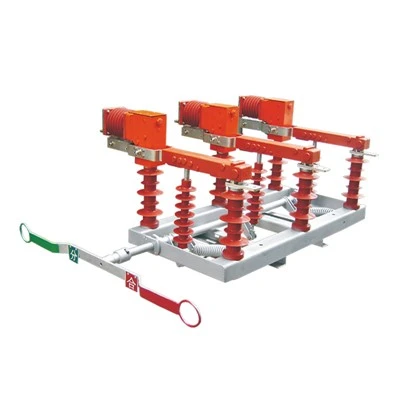
High Voltage Disconnector If you are in need of high-voltage fuses or have any questions about fuse selection, installation, or maintenance, please feel free to contact us. We are committed to providing high-quality products and professional services to meet your specific requirements.
References
- Electrical Safety Standards and Guidelines
- High-Voltage Fuse Manufacturer’s Technical Documentation
- Electrical Engineering Textbooks on Power Systems Protection
Zhongtai Electric Power Technology Co., Ltd.
With abundant experience, we are one of the most professional high-voltage fuse manufacturers and suppliers in China. We warmly welcome you to wholesale bulk customized high-voltage fuse from our factory. If you have any enquiry about quotation, please feel free to email us.
Address: High-tech Industrial Park, Chongren County, Fuzhou City, Jiangxi Province (No. 261 Yingbin Avenue)
E-mail: info@zhongtaielectric.com
WebSite: https://www.zhongtaipower.com/
