When selecting a drilling hose or rotary hose, one of the most crucial factors to consider is the flexibility rating. This rating indicates how well the hose can bend and adapt to different operating conditions without compromising its structural integrity and performance. As a supplier of high – quality drilling hoses and rotary hoses, I understand the importance of making an informed decision based on flexibility. In this blog, I’ll guide you through the key aspects of choosing the right hose according to its flexibility rating. Drilling Hose/ Rotary Hose
Understanding Flexibility Ratings
Flexibility ratings are numerical values or classifications that represent a hose’s ability to bend. These ratings are determined through standardized tests that measure parameters such as the minimum bend radius. The minimum bend radius is the smallest radius a hose can be bent to without causing kinking, internal damage, or significant reduction in flow capacity.
A lower minimum bend radius indicates a higher flexibility rating. Hoses with high flexibility are better able to conform to tight spaces and complex routing requirements. For example, in offshore drilling platforms where space is limited and hoses need to navigate around various equipment, a highly flexible hose is often essential.
Factors Affecting Flexibility
Hose Construction
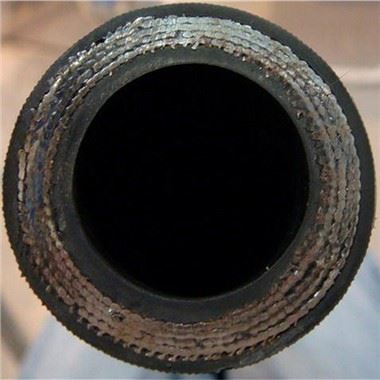
The construction of a drilling or rotary hose plays a significant role in its flexibility. Hoses are typically composed of an inner tube, reinforcement layers, and an outer cover.
- Inner Tube Material: The material of the inner tube can impact flexibility. For instance, hoses with an inner tube made of synthetic rubber such as nitrile rubber (NBR) or ethylene – propylene – diene monomer (EPDM) tend to be more flexible compared to those with a rigid plastic inner tube. These rubber materials can withstand repeated bending without cracking or losing their shape.
- Reinforcement Layers: The type, number, and arrangement of reinforcement layers also affect flexibility. Spiral – wound wire reinforcement is commonly used in drilling hoses. Hoses with fewer layers of finer – gauge wire tend to be more flexible than those with thick, heavy – gauge wire or multiple layers. However, fewer layers may also reduce the hose’s overall pressure – handling capacity, so a balance needs to be struck.
- Outer Cover: The outer cover protects the hose from abrasion, chemicals, and environmental factors. A flexible outer cover material, such as a formulated synthetic rubber, allows the hose to bend more easily. For example, a cover made from chloroprene rubber provides good abrasion resistance while maintaining flexibility.
Temperature
Temperature has a notable impact on the flexibility of drilling hoses and rotary hoses. In cold temperatures, rubber – based materials tend to become stiffer. This can result in a significant reduction in the hose’s flexibility rating. For example, if a hose is rated with a certain minimum bend radius at room temperature, in sub – zero temperatures, its effective bend radius may increase, making it more difficult to install and operate in tight spaces.
Conversely, extremely high temperatures can also degrade the hose material over time, reducing its flexibility and overall lifespan. Therefore, it’s crucial to consider the temperature range of the operating environment when selecting a hose based on its flexibility rating.
Pressure
Operating pressure is another important factor. As the pressure inside the hose increases, the hose tends to become stiffer. This is because the internal pressure forces the hose to maintain a more rigid shape to prevent bursting. A hose that is highly flexible at low pressure may become considerably less so when operating at high pressures. When selecting a hose, it’s essential to assess the maximum operating pressure of the system and choose a hose with a flexibility rating that can still meet the installation requirements under those pressure conditions.
Applications and Flexibility Requirements
Onshore Drilling
Onshore drilling operations often have more space compared to offshore platforms. However, the hoses still need to be flexible enough to be routed around drilling rig components and to adapt to changes in the drilling setup. For example, during the installation of a new wellhead, the hoses need to be able to bend and connect to the various valves and pipes. In onshore applications, hoses with a moderate flexibility rating are usually sufficient, as long as they can handle the pressure and temperature conditions of the operation.
Offshore Drilling
Offshore drilling presents more challenging conditions. Space is extremely limited on drilling platforms, and the hoses need to be highly flexible to be installed and routed through narrow passages and around complex equipment. Additionally, the hoses are exposed to harsh environmental conditions, including saltwater corrosion, high winds, and large temperature variations. Therefore, offshore drilling operations typically require hoses with a very high flexibility rating, along with excellent resistance to corrosion and environmental degradation.
Rotary Drilling in Mining
Mining operations that use rotary drilling also have specific flexibility requirements. The hoses need to be flexible enough to follow the rotation of the drill and to adapt to the movement of the drilling rig. In underground mines, where space is restricted, hoses with a high flexibility rating are essential to ensure proper installation and safe operation. Moreover, in mining, the hoses may be exposed to abrasive materials and chemicals, so they need to have a durable outer cover in addition to good flexibility.
Selecting the Right Hose Based on Flexibility Rating
Assess Your Application Needs
The first step in selecting the right drilling or rotary hose based on flexibility rating is to thoroughly assess your application. Consider the available space for hose installation, the operating temperature and pressure, and the movement requirements of the equipment. If you are working in a confined space, you will need a hose with a very low minimum bend radius. If the temperature fluctuates widely, choose a hose material that can maintain its flexibility across different temperature ranges.
Review Manufacturer Specifications
Manufacturer specifications provide detailed information about the flexibility rating of their hoses. Look for the minimum bend radius values and any temperature or pressure corrections that may apply. Reputable manufacturers like us conduct extensive testing to ensure the accuracy of these specifications. Some manufacturers may also provide additional information, such as the hose’s flexibility after a certain number of bending cycles, which can be useful for applications with high – frequency movement.
Request Samples
Whenever possible, request samples of the hoses you are considering. This allows you to physically test the flexibility of the hose in your own working environment. Bend the hose to the required radius and check for kinking or any signs of damage. Also, if possible, expose the sample to the expected temperature and pressure conditions to see how it behaves. This hands – on approach can give you a more accurate understanding of whether the hose will meet your flexibility requirements.
Consider Long – Term Performance
Flexibility is not the only factor to consider. You also need to think about the long – term performance of the hose. A hose that is initially very flexible but quickly loses its flexibility due to wear and tear may not be a good investment. Look for hoses that are designed to maintain their flexibility over an extended period, even under harsh operating conditions. This may involve choosing hoses with high – quality materials and advanced construction techniques.
Conclusion

Selecting a drilling hose or rotary hose based on its flexibility rating is a complex but essential process. By understanding the factors that affect flexibility, assessing your specific application needs, reviewing manufacturer specifications, testing samples, and considering long – term performance, you can make an informed decision. As a trusted supplier of drilling hoses and rotary hoses, we are committed to providing you with high – quality products that meet your flexibility and performance requirements.
Steam Hose If you are in the process of selecting a drilling or rotary hose and need more guidance, our team of experts is here to help. We can provide detailed information about our products, assist in the selection process, and ensure that you choose the right hose for your application. Don’t hesitate to contact us to start a procurement discussion and find the best solution for your drilling needs.
References
- API Spec 7K, Specification for Drilling Equipment, American Petroleum Institute.
- ISO 13628 – 1, Petroleum and natural gas industries — Design and operation of sub – sea production systems — Part 1: General requirements and recommendations, International Organization for Standardization.
- Hose Manufacturer’s Handbook of Drilling and Rotary Hoses.
Hebei Qianli Rubber Products Co., Ltd.
As one of the most professional drilling hose/ rotary hose manufacturers and suppliers in China, we have world-leading production equipment and strong manufacturing capabilities. Please feel free to buy bulk durable drilling hose/ rotary hose made in China here from our factory.
Address: West industrial Zone, Jing County, Hengshui City, Hebei Province, China.
E-mail: manager@hebeiqianli.com
WebSite: https://www.qianlirubber.com/
