In the world of manufacturing and industrial applications, screen plates play a crucial and often under – appreciated role. As a supplier of screen plates, I’ve had the privilege of witnessing firsthand how these seemingly simple components are integral to a wide array of processes. In this blog, I’ll delve into what a screen plate is, its various types, applications, manufacturing processes, and the key factors to consider when choosing one. Screen Plate

What Exactly is a Screen Plate?
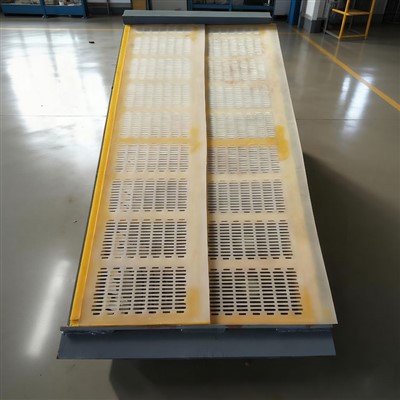
A screen plate is a flat, perforated sheet made from different materials. It is designed with a specific pattern of holes or openings, which can vary in size, shape, and distribution. These holes serve a particular function depending on the application. Screen plates can be thought of as filters, separators, or sieves that allow certain substances to pass through while blocking others.
The basic structure of a screen plate consists of a solid base material with the perforated area. The base material provides the structural integrity, while the perforations determine the functionality of the screen. The size of the holes can range from very fine, on the order of micrometers, to relatively large, several millimeters in diameter. The shape of the holes can be circular, square, rectangular, or even custom – shaped to meet specific requirements.
Types of Screen Plates
Metal Screen Plates
Metal screen plates are among the most common types. They are typically made from materials such as stainless steel, aluminum, or brass. Stainless steel screen plates are highly popular due to their excellent corrosion resistance, high strength, and durability. They can withstand harsh environments, high temperatures, and chemical exposure. Aluminum screen plates, on the other hand, are lightweight and have good thermal conductivity. Brass screen plates are known for their electrical conductivity and aesthetic appeal, often used in decorative as well as functional applications.
Plastic Screen Plates
Plastic screen plates are made from polymers such as polypropylene, polyethylene, or polycarbonate. They are generally more cost – effective than metal screen plates. Plastic screen plates are lightweight, corrosion – resistant to many chemicals, and can be easily molded into complex shapes. They are commonly used in applications where weight reduction is important, or where contact with certain chemicals may cause corrosion of metal screen plates.
Ceramic Screen Plates
Ceramic screen plates are made from advanced ceramic materials. They offer high hardness, wear resistance, and can withstand extremely high temperatures. Ceramic screen plates are often used in high – temperature filtration applications, such as in the metallurgical and chemical industries, where other materials would fail due to thermal stress or chemical attack.
Applications of Screen Plates
Filtration
One of the most common applications of screen plates is filtration. In water treatment plants, screen plates are used to remove large particles from the incoming water. The size of the holes in the screen plate is carefully selected to ensure that only particles smaller than a certain size can pass through. In the food and beverage industry, screen plates are used to filter out impurities from liquids such as juices, wines, and dairy products.
Separation
Screen plates are also used for separating different materials based on their size. In the mining industry, for example, screen plates are used to separate ore particles from waste rock. The ore and rock mixture is passed over the screen plate, and the smaller ore particles fall through the holes while the larger waste rock is retained on the screen. In the recycling industry, screen plates are used to separate different types of plastics, metals, and other materials based on their size and shape.
Sieving
Sieving is another important application of screen plates. In the pharmaceutical industry, screen plates are used to sieve powders to ensure that they have a uniform particle size. This is crucial for the quality and effectiveness of the final pharmaceutical products. In the construction industry, screen plates are used to sieve sand and gravel to obtain the desired particle size for concrete production.
Aeration and Diffusion
Screen plates can also be used for aeration and diffusion purposes. In wastewater treatment plants, screen plates with fine holes are used to introduce air into the water, which helps in the biological treatment process. The small bubbles produced by the screen plate provide a large surface area for the transfer of oxygen from the air to the water.
Manufacturing Processes of Screen Plates
Punching
Punching is a common manufacturing process for screen plates. In this process, a punch press is used to create holes in the base material. The punch is a tool with a specific shape and size, which is forced through the material to create the hole. Punching is a relatively simple and cost – effective process, suitable for producing screen plates with circular or rectangular holes. However, it may not be suitable for producing screen plates with very fine or complex – shaped holes.
Laser Cutting
Laser cutting is a more advanced manufacturing process for screen plates. A high – energy laser beam is used to cut through the base material, creating the desired holes. Laser cutting can produce screen plates with very fine holes and complex shapes. It offers high precision and can cut through a wide range of materials, including metals, plastics, and ceramics. However, laser cutting is a more expensive process compared to punching.
Etching
Etching is a chemical process used to create holes in screen plates. The base material is coated with a protective layer, and then the areas where the holes are to be created are exposed. The material is then immersed in a chemical solution, which etches away the exposed areas, creating the holes. Etching is suitable for producing screen plates with very fine and precise holes, especially in thin materials. However, it is a time – consuming and environmentally – sensitive process.
Key Factors to Consider When Choosing a Screen Plate
Hole Size and Shape
The hole size and shape of the screen plate are critical factors that determine its functionality. The hole size should be selected based on the size of the particles or substances that need to be filtered or separated. The shape of the holes can also affect the flow characteristics and the efficiency of the screen plate.
Material
The material of the screen plate should be chosen based on the application requirements. Factors such as corrosion resistance, strength, temperature resistance, and chemical compatibility need to be considered. For example, in a corrosive environment, a stainless steel or plastic screen plate may be more suitable, while in a high – temperature application, a ceramic screen plate may be required.
Thickness
The thickness of the screen plate affects its strength and durability. A thicker screen plate is generally stronger but may also have a lower flow rate. The thickness should be selected based on the specific application requirements, such as the pressure and flow rate of the substances passing through the screen plate.
Surface Finish
The surface finish of the screen plate can affect its performance. A smooth surface finish can reduce friction and prevent the accumulation of particles on the screen plate. In some applications, a special surface treatment may be required to improve the corrosion resistance or the wettability of the screen plate.
Why Choose Our Screen Plates?
As a supplier of screen plates, we take pride in offering high – quality products that meet the diverse needs of our customers. Our team of experts has extensive knowledge and experience in the design and manufacturing of screen plates. We use the latest manufacturing techniques and equipment to ensure that our screen plates are of the highest quality and precision.
We offer a wide range of screen plates in different materials, hole sizes, and shapes. Whether you need a simple metal screen plate for a basic filtration application or a complex ceramic screen plate for a high – temperature process, we can provide a customized solution to meet your specific requirements.
In addition to our high – quality products, we also provide excellent customer service. Our sales team is always ready to assist you in choosing the right screen plate for your application. We can provide technical support and advice throughout the entire process, from product selection to installation and maintenance.
Spare Parts If you are in the market for screen plates, we invite you to contact us for a consultation. Our team will be happy to discuss your needs and provide you with a detailed quote. We believe that our screen plates will meet your expectations in terms of quality, performance, and price. Let’s work together to find the best screen plate solution for your business.
References
- "Industrial Filtration Handbook" by Peter A. Schweitzer
- "Materials Science and Engineering: An Introduction" by William D. Callister Jr. and David G. Rethwisch
- "Manufacturing Engineering and Technology" by Serope Kalpakjian and Steven R. Schmid
Xinxiang Fengda Machinery Co., Ltd.
We’re well-known as one of the leading screen plate manufacturers and suppliers in China, specialized in providing high quality customized service for global clients. We warmly welcome you to buy high-grade screen plate made in China here from our factory.
Address: No.16 Wangguanying Village, Kangcun Town, Huojia County, Xinxiang City, Henan Province, China
E-mail: xxfdjx@163.com
WebSite: https://www.flipflowscreen.com/
