As an acoustic panel supplier, I understand the importance of creating an optimal acoustic environment. Whether you’re setting up a recording studio, a home theater, a conference room, or any other space where sound quality matters, installing acoustic panels can significantly enhance the auditory experience. In this blog post, I’ll guide you through the process of installing acoustic panels step by step. Acoustic Panel

Step 1: Assess Your Space
Before you start installing acoustic panels, it’s crucial to assess your space thoroughly. Consider the following factors:
- Room Size and Shape: The size and shape of the room will determine the number and placement of acoustic panels. Larger rooms may require more panels to achieve the desired acoustic效果. Irregularly shaped rooms may need special attention to address sound reflections.
- Sound Issues: Identify the specific sound issues you want to address, such as echo, reverberation, or background noise. This will help you choose the right type of acoustic panels and determine the best installation locations.
- Aesthetic Requirements: Think about the aesthetic of your space. Acoustic panels come in a variety of colors, textures, and designs, so you can choose panels that complement the overall decor of the room.
Step 2: Choose the Right Acoustic Panels
There are several types of acoustic panels available on the market, each with its own unique properties and applications. Here are some common types of acoustic panels:
- Fiberglass Panels: Fiberglass panels are one of the most popular types of acoustic panels. They are highly effective at absorbing sound and are relatively inexpensive. Fiberglass panels come in a variety of thicknesses and densities, so you can choose the right panel for your specific needs.
- Mineral Wool Panels: Mineral wool panels are another popular choice for acoustic treatment. They are similar to fiberglass panels in terms of sound absorption performance but are more fire-resistant. Mineral wool panels are also less likely to cause skin irritation than fiberglass panels.
- Acoustic Foam Panels: Acoustic foam panels are lightweight and easy to install. They are effective at absorbing high-frequency sounds and are often used in recording studios and home theaters. Acoustic foam panels come in a variety of shapes and sizes, so you can create a custom acoustic treatment solution.
- Wooden Panels: Wooden panels are a more aesthetically pleasing option for acoustic treatment. They are less effective at absorbing sound than fiberglass or mineral wool panels but can add a warm and natural look to your space. Wooden panels are often used in concert halls and other high-end acoustic environments.
When choosing acoustic panels, consider the following factors:
- Sound Absorption Coefficient (SAC): The SAC is a measure of how well a material absorbs sound. The higher the SAC, the more effective the material is at absorbing sound. Look for acoustic panels with a SAC of at least 0.80 for optimal sound absorption.
- Thickness and Density: The thickness and density of the acoustic panels will affect their sound absorption performance. Thicker and denser panels are generally more effective at absorbing sound than thinner and less dense panels.
- Fire Rating: If you’re installing acoustic panels in a commercial or public space, you may need to choose panels with a high fire rating. Look for panels that meet the relevant fire safety standards in your area.
- Aesthetic Appeal: As mentioned earlier, consider the aesthetic of your space when choosing acoustic panels. Choose panels that complement the overall decor of the room and enhance its visual appeal.
Step 3: Prepare Your Tools and Materials
Once you’ve chosen the right acoustic panels for your space, it’s time to prepare your tools and materials. Here’s a list of tools and materials you’ll need:
- Measuring Tape: You’ll need a measuring tape to measure the dimensions of your walls and ceiling and to mark the installation locations for the acoustic panels.
- Level: A level is essential for ensuring that your acoustic panels are installed straight and level.
- Pencil: You’ll need a pencil to mark the wall or ceiling where you’ll be installing the acoustic panels.
- Saw: Depending on the size and shape of your acoustic panels, you may need to cut them to fit. A saw will come in handy for this task.
- Adhesive: You’ll need an adhesive to attach the acoustic panels to the wall or ceiling. Choose an adhesive that is suitable for the type of acoustic panels you’re using and the surface you’re installing them on.
- Mounting Hardware: If you’re using mounting hardware to install the acoustic panels, make sure you have the right type and size of hardware for the panels and the wall or ceiling.
- Safety Equipment: Installing acoustic panels can be a messy and potentially dangerous job. Make sure you wear safety equipment, such as gloves, goggles, and a dust mask, to protect yourself from harm.
Step 4: Mark the Installation Locations
Before you start installing the acoustic panels, you need to mark the installation locations on the wall or ceiling. Here’s how to do it:
- Measure and Mark the Centering Points: Use a measuring tape to measure the width and height of the wall or ceiling where you’ll be installing the acoustic panels. Divide these measurements by two to find the centering points. Mark these points on the wall or ceiling using a pencil.
- Mark the Panel Locations: Starting from the centering points, measure and mark the locations for each acoustic panel. Make sure the panels are evenly spaced and aligned. Use a level to ensure that the lines are straight.
- Check the Placement: Before you start installing the panels, double-check the placement to make sure it looks right. You may need to adjust the positions of the panels slightly to achieve the desired look and sound quality.
Step 5: Install the Acoustic Panels
Now that you’ve marked the installation locations, it’s time to install the acoustic panels. Here’s how to do it:
- Cut the Panels (if necessary): If your acoustic panels need to be cut to fit, use a saw to cut them to the appropriate size. Make sure you wear safety goggles and a dust mask to protect yourself from the dust and debris.
- Apply the Adhesive: Apply a thin layer of adhesive to the back of each acoustic panel. Make sure you cover the entire surface evenly.
- Attach the Panels to the Wall or Ceiling: Carefully place each acoustic panel on the marked installation locations on the wall or ceiling. Press firmly to ensure that the panel is securely attached. Use a level to make sure the panel is straight and level.
- Use Mounting Hardware (if necessary): If you’re using mounting hardware to install the acoustic panels, follow the manufacturer’s instructions to attach the hardware to the wall or ceiling. Then, attach the panels to the hardware using the provided screws or other fasteners.
- Repeat the Process: Continue installing the acoustic panels one by one until all the panels are installed. Make sure you leave a small gap between each panel to allow for expansion and contraction.
Step 6: Finish the Installation
Once you’ve installed all the acoustic panels, it’s time to finish the installation. Here’s what you need to do:
- Clean Up: Clean up any dust or debris that was created during the installation process. Use a vacuum cleaner or a damp cloth to wipe down the walls and ceiling.
- Inspect the Installation: Inspect the installation to make sure all the panels are securely attached and aligned properly. Check for any gaps or unevenness in the panels. If you find any issues, make the necessary adjustments.
- Test the Sound Quality: After the installation is complete, test the sound quality in the room. Listen for any echoes or reverberations and make sure the sound is clear and balanced. If you’re not satisfied with the sound quality, you may need to add more acoustic panels or adjust their placement.
Step 7: Maintenance and Care
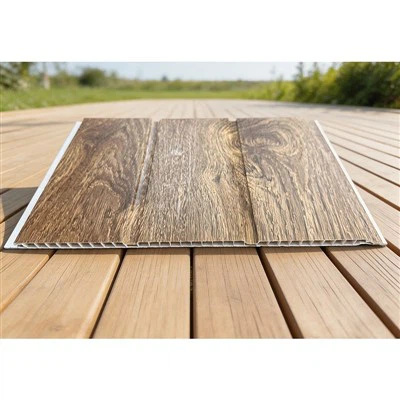
To ensure that your acoustic panels continue to perform effectively, it’s important to maintain and care for them properly. Here are some tips for maintaining and caring for your acoustic panels:
- Clean Regularly: Clean the acoustic panels regularly to remove dust and debris. Use a vacuum cleaner or a soft brush to gently clean the surface of the panels. Avoid using abrasive cleaners or solvents, as these can damage the panels.
- Inspect Periodically: Inspect the acoustic panels periodically for any signs of damage or wear. Look for cracks, holes, or loose panels. If you find any issues, repair or replace the damaged panels as soon as possible.
- Avoid Moisture: Keep the acoustic panels dry and avoid exposing them to moisture. Moisture can cause the panels to warp, mold, or lose their sound absorption properties. If the panels get wet, dry them thoroughly as soon as possible.
- Follow the Manufacturer’s Instructions: Always follow the manufacturer’s instructions for installation, maintenance, and care of the acoustic panels. This will ensure that the panels perform effectively and last for a long time.
Conclusion
Wood Veneer Wall Panel Installing acoustic panels is a relatively simple and straightforward process that can significantly enhance the sound quality of your space. By following the steps outlined in this blog post, you can install acoustic panels in your room with ease and confidence. If you have any questions or need further assistance, please don’t hesitate to contact us. We’re a leading acoustic panel supplier, and we’re committed to providing our customers with the highest quality products and services. Whether you’re a professional sound engineer or a DIY enthusiast, we can help you find the right acoustic panels for your specific needs. Contact us today to learn more about our products and services and to discuss your acoustic treatment requirements.
References
- Beranek, Leo L. Acoustics. American Institute of Physics, 1986.
- Bies, David A., and Colin H. Hansen. Engineering Noise Control: Theory and Practice. Spon Press, 2009.
- Olsho, Lawrence W., et al. "Human peripheral auditory frequency selectivity: a comparison of estimates obtained with different methods." The Journal of the Acoustical Society of America 83.1 (1988): 381-410.
Hangzhou Eastopo New Marterial Technology Co., Ltd.
As one of the most professional acoustic panel manufacturers and suppliers in China, we offer a wide range of products with superior quality. Please rest assured to wholesale custom made acoustic panel from our factory. Good service and reasonable price are available.
Address: Room 304-20, Block B, Building 1,2,3&4, Kaixuan Jinniu Fang, Shangcheng District, Hangzhou, Zhejiang, China.
E-mail: mj@eastopo.com
WebSite: https://www.eastopo.com/
