Inline PV connectors play a pivotal role in photovoltaic (PV) systems, serving as crucial components that facilitate the electrical interconnection between PV modules, cables, and other system elements. As a supplier of Inline PV connectors, I have witnessed firsthand the significance of insulation resistance in ensuring the safety and reliability of PV installations. In this blog post, I will delve into the various ways in which the insulation resistance of Inline PV connectors impacts safety, highlighting its importance and offering insights into best practices for maintaining optimal performance. Inline PV Connector
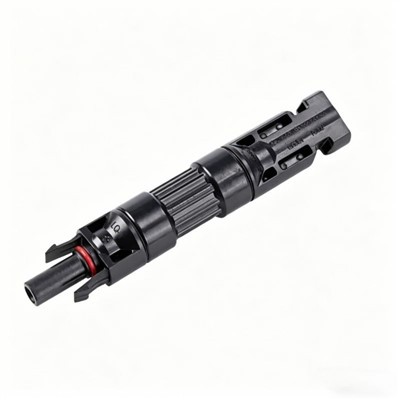
Understanding Insulation Resistance in Inline PV Connectors
Insulation resistance refers to the electrical resistance of an insulating material between two conductive parts. In the context of Inline PV connectors, it measures the ability of the connector’s insulation to prevent the flow of electric current through unintended paths, such as the surrounding environment or adjacent conductors. A high insulation resistance indicates that the connector’s insulation is effective at preventing leakage currents, while a low insulation resistance may suggest the presence of insulation damage, moisture ingress, or other issues that could compromise safety.
The insulation resistance of Inline PV connectors is typically measured in megohms (MΩ) and is influenced by several factors, including the quality of the insulation material, the design of the connector, and the operating conditions. International standards, such as IEC 61730 and UL 1703, specify minimum insulation resistance requirements for PV connectors to ensure their safe and reliable operation. For example, according to IEC 61730, PV connectors must have an insulation resistance of at least 10 MΩ when measured at a DC voltage of 500 V.
Impact of Insulation Resistance on Electrical Safety
Preventing Electric Shock: One of the primary functions of the insulation in Inline PV connectors is to protect personnel from electric shock. When the insulation resistance is high, it creates a barrier that prevents the flow of electric current from the conductors to the outer surface of the connector or to other conductive objects. This reduces the risk of accidental contact with live parts and minimizes the potential for electric shock. Conversely, a low insulation resistance can allow leakage currents to flow through the insulation, increasing the risk of electric shock to anyone who comes into contact with the connector.
Avoiding Short Circuits: Insulation resistance also plays a crucial role in preventing short circuits in PV systems. A short circuit occurs when an unintended low-resistance path is created between two conductors, resulting in a large current flow that can cause overheating, electrical fires, and damage to the PV system components. High insulation resistance helps to maintain the electrical isolation between conductors, preventing the formation of short circuits and ensuring the safe and reliable operation of the PV system. If the insulation resistance is low, there is a greater likelihood of short circuits occurring, which can have serious consequences for the safety and performance of the PV system.
Impact of Insulation Resistance on System Reliability
Reducing Power Losses: In addition to ensuring electrical safety, high insulation resistance in Inline PV connectors helps to minimize power losses in PV systems. When the insulation resistance is low, leakage currents can flow through the insulation, resulting in power dissipation and reduced energy efficiency. By maintaining a high insulation resistance, the connector can effectively prevent leakage currents and ensure that the maximum amount of electrical power generated by the PV modules is transmitted to the rest of the system. This not only improves the overall performance of the PV system but also reduces the cost of electricity generation.
Preventing Corrosion and Degradation: Insulation resistance also plays a role in preventing corrosion and degradation of the Inline PV connectors. Moisture ingress and other environmental factors can cause the insulation material to degrade over time, leading to a decrease in insulation resistance. This can create a vicious cycle, as the reduced insulation resistance allows more moisture and contaminants to penetrate the connector, further accelerating the degradation process. By maintaining a high insulation resistance, the connector can resist the effects of moisture and environmental factors, prolonging its service life and ensuring the long-term reliability of the PV system.
Factors Affecting Insulation Resistance
Insulation Material Quality: The quality of the insulation material used in Inline PV connectors is a critical factor that affects insulation resistance. High-quality insulation materials, such as silicone rubber or thermoplastic elastomers, offer excellent electrical insulation properties, high temperature resistance, and good resistance to environmental factors. These materials can maintain their insulation performance over a wide range of operating conditions, ensuring long-term reliability and safety. In contrast, low-quality insulation materials may have poor insulation properties, be more prone to degradation, and offer limited resistance to environmental factors, resulting in a decrease in insulation resistance over time.
Connector Design: The design of the Inline PV connector also plays a role in determining its insulation resistance. A well-designed connector should provide adequate insulation between the conductors, minimize the risk of moisture ingress, and ensure a secure and reliable connection. Features such as sealed terminals, gaskets, and strain relief can help to improve the insulation resistance of the connector and protect it from environmental factors. Additionally, the connector should be designed to comply with relevant industry standards and regulations to ensure its safety and reliability.
Operating Conditions: The operating conditions of the PV system can also have a significant impact on the insulation resistance of Inline PV connectors. High temperatures, humidity, and exposure to UV radiation can all cause the insulation material to degrade, leading to a decrease in insulation resistance. Similarly, mechanical stress, vibration, and improper installation can also damage the insulation, reducing its effectiveness and increasing the risk of leakage currents. To maintain optimal insulation resistance, it is important to ensure that the PV system is installed and operated in accordance with the manufacturer’s recommendations and to regularly inspect and maintain the Inline PV connectors.
Maintaining Optimal Insulation Resistance
Regular Inspections: Regular inspections of the Inline PV connectors are essential to ensure that their insulation resistance remains within acceptable limits. Inspections should include visual checks for signs of damage, such as cracks, cuts, or discoloration, as well as electrical tests to measure the insulation resistance. Any connectors that show signs of damage or have a low insulation resistance should be replaced immediately to prevent safety hazards and ensure the reliable operation of the PV system.
Proper Installation: Proper installation of the Inline PV connectors is crucial to maintaining optimal insulation resistance. Connectors should be installed in accordance with the manufacturer’s instructions, ensuring that they are properly seated, tightened, and sealed. Additionally, the installation environment should be clean and dry, and the connectors should be protected from mechanical stress and environmental factors. By following these installation guidelines, you can help to ensure that the connectors provide reliable insulation and minimize the risk of leakage currents.
Environmental Protection: Protecting the Inline PV connectors from environmental factors, such as moisture, dust, and UV radiation, is essential to maintaining their insulation resistance. This can be achieved through the use of appropriate protective measures, such as weatherproof enclosures, cable glands, and UV-resistant coatings. Additionally, the PV system should be installed in a location that is protected from extreme weather conditions and other environmental hazards.
Conclusion
As a supplier of Inline PV connectors, I understand the critical role that insulation resistance plays in ensuring the safety and reliability of PV systems. By maintaining a high insulation resistance, Inline PV connectors can prevent electric shock, avoid short circuits, reduce power losses, and prevent corrosion and degradation. To ensure optimal insulation resistance, it is important to use high-quality insulation materials, design connectors that are resistant to environmental factors, and install and maintain the connectors in accordance with the manufacturer’s recommendations.
Solar DC Cable If you are in need of high-quality Inline PV connectors that offer excellent insulation resistance and reliable performance, I encourage you to contact me to discuss your specific requirements. Our team of experts can provide you with the guidance and support you need to select the right connectors for your PV system and ensure its safe and efficient operation.
References
- IEC 61730: Photovoltaic (PV) module safety qualification.
- UL 1703: Standard for flat-plate photovoltaic modules and panels.
- International Electrotechnical Commission (IEC). "Photovoltaic systems – Design qualification and type approval." IEC 61215, 2016.
- Underwriters Laboratories (UL). "UL 1703 Standard for Flat-Plate Photovoltaic Modules and Panels." UL 1703, 2017.
Tianjin Xilingke New Energy Technology Co., Ltd.
Address: Suite 2601, Tower B, Wanghai International, Haihe East Road, Hebei District, Tianjin, China.
E-mail: robin@sinelinkev.com
WebSite: https://www.sinelinkenergy.com/
