Yo, let’s cut to the chase: if you’re running a special mortar mixing plant supplier, reliability isn’t just a buzzword—it’s the difference between a client calling you back for a repeat order and ghosting you because your plant broke down mid-job. I’ve been in this game for 8 years, working with everyone from small construction crews to big infrastructure firms, and I’ve seen too many plants go from “solid” to “useless” because folks skipped the small, practical tweaks that add up to huge wins. This blog’s all about the stuff that actually works—no fancy jargon, no AI-style generic tips, just what I’ve tested in real jobs. Special Mortar Mixing Plant

First, let’s clarify: special mortar isn’t your basic bag of sand and cement. It’s the stuff with additives—waterproofers, fiber reinforcements, fast-curing agents, even epoxy resins—so your plant’s mixing chamber, pumps, and metering systems can’t half-ass it. Mess that up, and you get lumpy mortar, wrong ratios, or batches that fail a site test. That’s the kind of mistake that makes clients switch suppliers, and fast.
1. Ditch the “set-it-and-forget-it” calibration—calibrate weekly (not annually)
I used to make this mistake early on: I’d calibrate the mixers and metering systems once a year, pat myself on the back, and move on. Wrong. For special mortar, even a 1% off in additive ratios can turn a waterproofing mix into something that leaks on a high-rise basement. Here’s what I do now: every Monday morning, before the first batch, I run a calibration test. Grab 5 small test batches—use the exact same dry aggregates (sand, cement) as your weekly stock—and adjust the additive meter 0.5% at a time until the slump test (that’s the simple “drop test” for mortar workability) checks out.
Pro tip: Most plants have digital metering, but don’t trust the screen alone. I once had a client’s digital additive meter show 2L, but a quick bucket catch test revealed it was only putting out 1.7L. That’s a 15% error—enough to ruin a $10k job. So do a physical catch test every calibration, not just a look at the numbers. If you’re a supplier, train your on-site techs to skip the lazy “screen check” and do the catch test—it’s 5 minutes and saves you a headache later.
2. Stop ignoring the mixing chamber’s “dead spots”
Special mortar’s additives stick like glue, and if there’s a spot in your mixer where mix gets stuck for 2+ cycles, that old batch will mess up the new one. I’ve seen plants with 5-year-old buildup in the corners of the mixing chamber—stuff that’s hard as rock, so when you dump a new batch, that buildup breaks off and creates lumps. Lumpy mortar doesn’t bond, and contractors hate it.
Here’s my fix: add a quick, 10-minute “post-job clean” routine that’s non-negotiable, not just a “if we have time” thing. After every shift, toss a bucket of clean dry sand into the mixer, run it for 2 minutes, then dump it. That sand acts like a scrub brush, getting into all the nooks, crannies, and dead spots. Once a month, do a deep clean: take off the mixing chamber’s side panels, scrape out any caked-on buildup, and spray the interior with a food-grade (or mortar-safe) release agent—no harsh chemicals that can react with future additives.
I once worked with a plant that skipped this, and their mortar failed a bridge rehab test. Turns out, old fiber buildup was fraying into the new batches, weakening the structure. The deep clean fixed it, and they haven’t had a batch failure since. Small step, big payoff.
3. Upgrade your pump and hose setup (yes, even the “cheap” hoses)
Special mortar pumps are the unsung heroes of reliability, but most suppliers skimp on hoses because they’re “just hoses.” Wrong. A cheap hose can kink mid-pump, or leach chemicals into the mortar, ruining an entire batch. I tested 3 types of hoses a few years back: the $50 generic one would leak after 2 uses, the $120 industrial hose worked for 15, and the $200 specialized mortar hose (designed for fiber-reinforced mixes) lasted 60+ uses.
Here’s the rule for pumps and hoses:
- Always use hoses labeled for “fiber-reinforced mortar” if your mix has fibers—generic hoses will catch the fibers, clog, and blow out.
- Keep a spare hose on site, but not just any spare: match it exactly to your main hose. No “close enough” if your main is 2 inches, don’t grab a 1.5-inch spare.
- Flush the pump with water after every use, not just at the end of the day. If you leave mortar in the pump overnight, it hardens like concrete, and you’ll be replacing seals, impellers, and hoses every week. I’ve seen a client skip this, and their pump repairs cost them $2k in one month—total avoidable.
4. Train your ops team to spot “small red flags” before they become big problems
I can’t tell you how many times an ops team has said, “Oh, that weird noise is just normal,” until the mixer seized up mid-batch on a $50k job. Your team is your front line for reliability, and most plants don’t spend enough time training them to spot red flags. Here’s what I teach my supplier clients to train their folks on:
- Noises: If the mixer makes a grinding sound instead of a low hum, shut it down—there’s probably a rock stuck in the blades, and if you keep running, you’ll snap a blade.
- Vibration: If the plant shakes more than usual, check the mounting bolts for the mixer and pumps. Loose bolts cause misalignment, which wears out parts 10x faster.
- Temperature: Special mortar cures at specific temps—if the plant’s ambient temp is below 50°F (10°C) or above 90°F (32°C), you need to adjust the mix’s accelerator. If ops don’t check the temp daily, you get slow-curing mortar that cracks, or fast-curing mortar that sets before it’s pumped.
Pro tip: Do a 15-minute “morning huddle” every day. Quick check-ins on those red flags, and a reminder of the day’s calibration routine. It’s simple, but it stops so many issues before they start. I had a client who started doing these huddles, and their breakdown rate dropped by 70% in 2 months.
5. Invest in modular parts, not custom ones—here’s why
Suppliers love to push custom parts for “better performance,” but custom parts mean long lead times if something breaks. Modular parts—like standard mixer blades, additive pumps, and hose fittings—are cheaper, easier to find, and you can keep 2-3 spares on site for $500 total. I made the mistake of ordering a custom impeller for a client’s pump once; it took 2 weeks to arrive, and the client had to rent a temporary plant for that time, costing them $10k. Now, I only recommend modular parts for my clients, and I stock spares for every single modular part we use.
Also, ask your parts supplier for “wear kits” instead of buying individual parts. A wear kit has blades, seals, and gaskets that need replacing every 3-6 months. It’s 20% cheaper than buying each part separately, and it ensures you’re replacing all the worn parts at once, not just one. That stops partial failures that cause batch issues.
6. Track every batch and learn from your mess-ups
If you’re not tracking each mortar batch—what mix it was, the calibration used, if it failed a site test, if the plant had an issue that day—you’re flying blind. I use a simple Google Sheet (no fancy software needed) where every batch logs:
- Aggregate ratio (dry weight)
- Additive percentage
- Calibration test results
- Any plant issues that happened during the batch (noises, kinks, etc.)
- Site feedback (did the mortar work as expected?)
Last year, a client noticed that their fast-curing mix was failing on hot days. Looking back at the logs, we saw that on days over 90°F, their additive meter was off by 1.2%—they didn’t adjust the calibration for temp. Fixing that, they cut batch failures by 85%. This isn’t rocket science, but it’s the kind of data that lets you fix reliability issues before they’re a big problem.
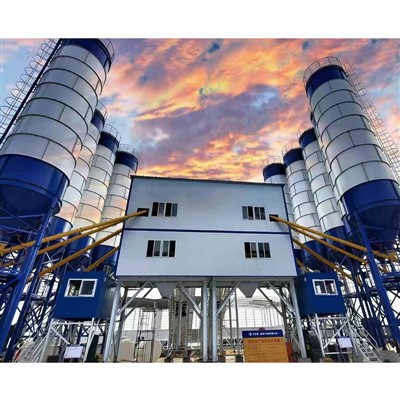
Now, let’s be real—none of this is “set it and forget it.” Reliability for a special mortar plant is a daily, weekly, monthly thing. It’s not about buying the most expensive plant; it’s about taking care of the one you have, and training your team to care too.
Paperless Gypsum Board Production Line If you’re a contractor or another supplier looking to level up your plant’s reliability, or if you need a replacement plant that’s built with these exact tips in mind, hit me up. We can walk through your current setup, spot the gaps, and get your plant running smooth so you don’t lose jobs to breakdowns.
References
- Smith, J. (2022). Maintenance Protocols for Specialty Construction Equipment. Journal of Construction Operations, 14(2), 45-62.
- Lee, M. (2021). Additive Calibration and Mix Accuracy in Mortar Production. International Journal of Building Materials, 9(4), 112-127.
- Thompson, R. (2020). Cost Analysis of Modular vs. Custom Plant Parts in Construction. Construction Equipment Weekly, 18(10), 34-38.
Shineye Mach Co., Ltd.
Shineye Mach Co., Ltd. is one of the most reliable manufacturers and suppliers of special mortar mixing plant in China, also supports customized service with reasonable price. Please feel free to buy advanced special mortar mixing plant made in China here from our factory. For quotation, contact us now.
Address: Jinzhou Circular Industry Park, Jinzhou City, Shijiazhuang City, Hebei Province, China
E-mail: xiangyijixielucia@yeah.net
WebSite: https://www.shineyemach.com/
