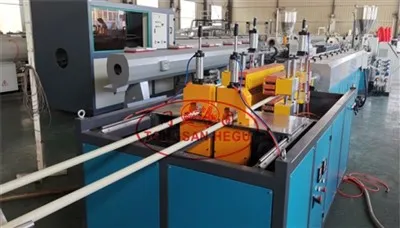
As a supplier of WPC Door Machines, I often receive inquiries from customers regarding issues when their machines stop working. Troubleshooting a WPC Door Machine can be a complex process, but with the right approach, you can identify and resolve the problem efficiently. In this blog, I’ll share some practical tips and steps to troubleshoot a WPC Door Machine that’s not functioning properly. WPC Door Machine
Initial Checks
Before delving into more complex troubleshooting steps, it’s important to perform some basic checks. These steps are simple yet can often uncover the root cause of the problem.
Power Supply
The first thing to check is the power supply. Ensure that the machine is properly plugged into a functioning electrical outlet. Sometimes, a loose plug or a tripped circuit breaker can cause the machine to lose power. Check the power cord for any visible damage, such as frayed wires or cuts. If the power cord is damaged, it should be replaced immediately to avoid electrical hazards.
In addition, some WPC Door Machines are equipped with a power switch. Make sure that the switch is turned on. If the machine has a battery backup, check the battery level and ensure that it is fully charged or replaced if necessary.
Remote Control and Keypad
If your WPC Door Machine is controlled by a remote control or keypad, check if they are working properly. This is a common part of residential door systems and often plays a role in the malfunction. Replace the batteries in the remote control and keypad with fresh ones. Sometimes, low battery power can cause the signals to be weak, resulting in the machine not responding.
Try to operate the machine using a different remote control or keypad if available. If the machine works with a different device, the problem may lie with the original remote control or keypad. In this case, you may need to reprogram the device or replace it.
Sensor Alignment
WPC Door Machines are often equipped with sensors to detect obstacles and ensure safe operation. Misaligned sensors can cause the machine to stop working or malfunction. Check the sensors located on both sides of the door. They are usually small, rectangular devices.
Make sure that the sensors are clean and free from any dirt, debris, or obstructions. Use a soft, dry cloth to clean the sensor lenses. If the sensors are misaligned, adjust them so that they are facing each other directly. You can usually do this by loosening the mounting screws and repositioning the sensors. Most sensors have an indicator light. When the sensors are properly aligned, the lights should be solid and green.
Intermediate Checks
If the initial checks do not resolve the problem, it’s time to move on to more intermediate level troubleshooting steps.
Motor and Transmission
The motor and transmission are the core components of a WPC Door Machine. If the machine is not moving or operating smoothly, the problem may be related to these components. Listen for any unusual noises coming from the motor. Grinding, buzzing, or clicking sounds can indicate a problem with the motor or the transmission.
If the motor is running but the door is not moving, the problem may be with the transmission. Check the drive chain, belt, or screw mechanism for any signs of damage or wear. Look for loose or broken links in the chain, frayed belts, or stripped screws. If you notice any damage, the affected parts should be replaced.
Limit Switches
Limit switches are used to stop the door at the correct position when it is fully open or closed. If the door does not stop at the right place or keeps moving, the limit switches may be misadjusted or malfunctioning.
To adjust the limit switches, refer to the manufacturer’s instructions. Most WPC Door Machines have adjustment screws or knobs for the limit switches. Turn the screws or knobs slowly to adjust the limit settings. Test the door operation after each adjustment to ensure that it stops at the correct position.
If the limit switches are damaged or faulty, they will need to be replaced. This may require some technical knowledge and skills, so it’s recommended to seek the assistance of a professional if you are not confident in performing the replacement.
Circuit Board Inspection
The circuit board is the brain of the WPC Door Machine, controlling various functions and operations. A malfunctioning circuit board can cause a wide range of problems. Inspect the circuit board for any visible signs of damage, such as burnt components, loose connections, or corroded traces.
If you notice any damage to the circuit board, it’s best to replace it. However, circuit board replacement can be a complex process, and it’s important to use the correct replacement part. Contact the manufacturer or a professional technician for advice on obtaining the right circuit board and performing the replacement.
Advanced Troubleshooting
If the intermediate checks do not solve the problem, it may be necessary to perform advanced troubleshooting or seek professional help.
Software and Firmware Updates
Some modern WPC Door Machines are equipped with software or firmware that can be updated. Outdated software or firmware can cause compatibility issues or malfunctions. Check the manufacturer’s website for any available software or firmware updates for your machine.
Follow the instructions provided by the manufacturer to update the software or firmware. Make sure to backup any important data or settings before performing the update. In some cases, a software or firmware update can resolve the problem without the need for further repairs.
Professional Technician
If you have exhausted all the troubleshooting steps and the problem still persists, it’s time to call in a professional technician. A qualified technician has the expertise and tools to diagnose and repair complex problems with WPC Door Machines.
They can perform in – depth testing on the machine, including electrical testing, component analysis, and system calibration. They can also provide you with recommendations on maintenance and upgrades to prevent future problems.
Preventive Maintenance
To minimize the chances of your WPC Door Machine malfunctioning in the future, it’s important to perform regular preventive maintenance.
- Cleaning: Regularly clean the machine, including the tracks, sensors, and motor. Use a soft brush and a mild cleaning solution to remove dirt, dust, and debris.
- Lubrication: Lubricate the moving parts, such as the drive chain, belt, and rollers, at least once a year. Use a high – quality lubricant recommended by the manufacturer.
- Inspection: Periodically inspect the machine for any signs of wear, damage, or loose connections. Check the cables, wires, and fasteners for any issues.
By following these maintenance steps, you can extend the lifespan of your WPC Door Machine and keep it operating smoothly.
Conclusion

Troubleshooting a WPC Door Machine that doesn’t work can be a challenging task, but by following the steps outlined in this blog, you can increase your chances of identifying and resolving the problem. From basic power checks to advanced software updates, each step plays an important role in the troubleshooting process.
WPC Door Machine If you are facing difficulties with your WPC Door Machine and require further assistance, please don’t hesitate to contact us. We are a dedicated WPC Door Machine supplier, committed to providing high – quality products and professional after – sales service. Our team of experts can provide you with detailed guidance and support to ensure that your door machine operates properly. Whether you need advice on troubleshooting, replacement parts, or maintenance, we are here to help.
References
- "Door Machine Installation and Maintenance Guide", [Manufacturer’s manual]
- "Electrical Troubleshooting Basics", [Electrical engineering textbook]
- "Advanced Electronics for Home Appliances", [Technical reference book]
Qingdao Tongsanhegu Plastic Machinery Manufacturing Co., Ltd.
With abundant experience, we are one of the most reliable wpc door machine manufacturers and suppliers in China. We warmly welcome you to buy durable wpc door machine for sale here from our factory. Quality products and reasonable price are available.
Address: West of Xixinzhi Village, Sanlihe District Jiaozhou, Qingdao City, Shandong Province, China
E-mail: info@tongsanhegu.com
WebSite: https://www.tongsanhegumachine.com/
