As a professional supplier in the field of architectural mesh, I’ve witnessed firsthand the crucial role that international standards play in our industry. Architectural mesh, with its diverse applications in building facades, interior design, and safety barriers, must adhere to specific international benchmarks to ensure quality, safety, and performance. In this blog, I’ll delve into the key international standards for architectural mesh, shedding light on why they matter and how they impact our business. Architectural Mesh
Understanding the Basics of Architectural Mesh Standards
International standards for architectural mesh are developed by various organizations around the world. These standards cover a wide range of aspects, including material composition, mechanical properties, dimensional accuracy, and surface finish. The primary goal is to provide a common framework for manufacturers, designers, and specifiers to ensure that the architectural mesh meets the required quality and performance criteria.
One of the most well – known international standard – setting organizations is the International Organization for Standardization (ISO). ISO standards are recognized globally and are often used as a reference point for architectural mesh production. For example, ISO 9001 is a quality management system standard that helps manufacturers establish processes to ensure consistent quality in their products. By obtaining ISO 9001 certification, an architectural mesh supplier demonstrates its commitment to quality control and continuous improvement.
Material Standards
The choice of material for architectural mesh is critical, as it directly affects the mesh’s strength, durability, and corrosion resistance. Different materials have different properties, and international standards define the acceptable ranges and characteristics for each type of material used in architectural mesh.
Stainless Steel
Stainless steel is one of the most commonly used materials for architectural mesh due to its excellent corrosion resistance, high strength, and aesthetic appeal. The American Society for Testing and Materials (ASTM) has a series of standards for stainless steel, such as ASTM A240. This standard specifies the chemical composition, mechanical properties, and heat – treatment requirements for various grades of stainless steel sheets and plates, which are often used to manufacture architectural mesh.
In Europe, the EN 10088 series of standards is widely used for stainless steels. These standards cover the technical delivery conditions for semi – finished products, bars, rods, wires, profiles, and sheets/plates made of corrosion – resisting steels. For architectural mesh, the specific requirements for stainless steel grades, such as 304 and 316, are clearly defined in these standards.
Aluminum
Aluminum is another popular material for architectural mesh, especially in applications where lightweight and good corrosion resistance are required. The Aluminum Association in the United States has developed standards for aluminum alloys, including those used in architectural mesh. For example, AA6063 is a common aluminum alloy for architectural applications. The alloy’s chemical composition, mechanical properties, and temper are defined in the relevant standards to ensure consistent quality.
In Europe, the EN 573 series of standards covers the chemical composition and mechanical properties of wrought aluminum and aluminum alloys. These standards help ensure that the aluminum used in architectural mesh meets the necessary performance requirements.
Mechanical Property Standards
The mechanical properties of architectural mesh, such as tensile strength, yield strength, and elongation, are crucial for its performance in various applications. International standards define the minimum and maximum values for these properties to ensure the mesh can withstand the expected loads and stresses.
Tensile Strength
Tensile strength is the maximum stress that a material can withstand while being stretched or pulled before breaking. ASTM E8 is a standard test method for tension testing of metallic materials, which is often used to determine the tensile strength of architectural mesh. The test involves applying a gradually increasing load to a specimen until it breaks, and the maximum load is recorded to calculate the tensile strength.
In Europe, the EN 10002 – 1 standard specifies the method for tensile testing of metallic materials. This standard ensures that the results of tensile strength tests are comparable across different manufacturers and regions.
Yield Strength
Yield strength is the stress at which a material begins to deform plastically. It is an important property for architectural mesh, as it indicates the point at which the mesh will start to experience permanent deformation under load. Similar to tensile strength testing, there are standard test methods for determining yield strength, such as ASTM E8 and EN 10002 – 1.
Elongation
Elongation is the percentage increase in the length of a specimen after it has been stretched to the point of fracture. It is a measure of the ductility of the material. Architectural mesh with good elongation properties is more likely to withstand deformation without breaking, which is important in applications where the mesh may be subjected to dynamic loads or impacts. Standards for elongation testing are also defined in ASTM E8 and EN 10002 – 1.
Dimensional Accuracy Standards
Dimensional accuracy is essential for architectural mesh, especially when it comes to fitting the mesh into specific architectural designs. International standards define the allowable tolerances for the size, shape, and spacing of the mesh openings.
Mesh Size
The size of the mesh openings is a critical parameter, as it affects the visual appearance, ventilation, and light transmission of the architectural mesh. ASTM and ISO standards specify the acceptable tolerances for mesh size. For example, if a design calls for a mesh with a specific opening size, the actual size of the mesh produced must be within the tolerance range defined by the relevant standard.
Wire Diameter
The diameter of the wires used in the architectural mesh also has an impact on its strength and appearance. Standards define the allowable tolerances for wire diameter to ensure consistency in the manufacturing process. Deviations from the specified wire diameter can affect the overall performance and aesthetics of the mesh.
Surface Finish Standards
The surface finish of architectural mesh not only affects its appearance but also its corrosion resistance and durability. International standards define the requirements for surface finish, such as smoothness, roughness, and the presence of defects.
Surface Roughness
Surface roughness is measured in micrometers and is an important parameter for architectural mesh, especially in applications where a smooth surface is required for aesthetic or functional reasons. ASTM and ISO standards specify the acceptable surface roughness ranges for different types of architectural mesh.
Coating and Plating
In some cases, architectural mesh may be coated or plated to improve its corrosion resistance or appearance. Standards define the requirements for the coating or plating process, including the thickness, adhesion, and composition of the coating or plating material. For example, if a mesh is coated with a zinc layer for corrosion protection, the standard will specify the minimum thickness of the zinc coating to ensure its effectiveness.
Why International Standards Matter for Our Business
As an architectural mesh supplier, adhering to international standards is not just a matter of compliance; it’s a strategic advantage. Here are some reasons why these standards are so important:
Quality Assurance
By following international standards, we can ensure that our architectural mesh products meet a high level of quality. This gives our customers confidence in the performance and durability of our products, which is essential for building long – term relationships.
Global Market Access
International standards are recognized worldwide, which means that our products can be easily sold in different markets. Compliance with these standards helps us overcome trade barriers and expand our business globally.
Design Compatibility
Architectural designers and specifiers often rely on international standards when selecting materials for their projects. By providing mesh products that meet these standards, we can ensure that our products are compatible with the design requirements and can be easily integrated into architectural projects.
Contact Us for Your Architectural Mesh Needs

If you’re in the market for high – quality architectural mesh that meets international standards, we’re here to help. Our team of experts has extensive experience in the production and supply of architectural mesh, and we’re committed to providing the best solutions for your projects. Whether you need stainless steel mesh for a modern building facade or aluminum mesh for an interior design application, we can offer a wide range of products to meet your specific requirements.
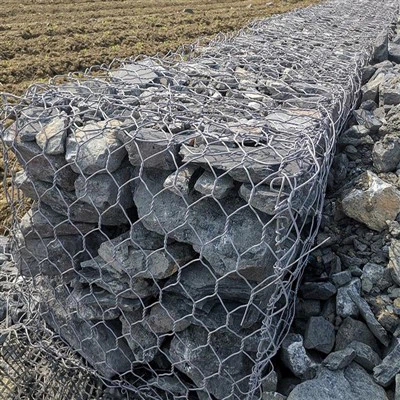
Gabion Wire Mesh Don’t hesitate to reach out to us to discuss your architectural mesh needs. We look forward to the opportunity to work with you and contribute to the success of your projects.
References
- American Society for Testing and Materials (ASTM). Various ASTM standards related to stainless steel, aluminum, and mechanical testing.
- International Organization for Standardization (ISO). ISO 9001 and other relevant standards.
- European Committee for Standardization (CEN). EN 10088, EN 10002 – 1, EN 573, and other European standards.
- Aluminum Association. Standards for aluminum alloys used in architectural applications.
Hebei Tengshan Wire Mesh Co., Ltd.
As one of the most experienced architectural mesh manufacturers and suppliers in China, we offer a wide range of products with superior quality. Please feel free to buy durable architectural mesh at competitive price from our factory. Welcome to view our website for more information.
Address: 300 Meters South of Beihoutuan Village, Anping County, Hengshui City, Hebei Province
E-mail: bellawiremesh123@gmail.com
WebSite: https://www.tengshanmetal.com/
