Hey there, fellow livestock farmers! I’m part of a veterinary medicine supplier for livestock, and I know firsthand that the weaning process for young livestock can be a real challenge. It’s a crucial stage in their growth, and getting it right can make a huge difference in their health and your farm’s bottom line. That’s why I’m here to share some tips on how to manage the weaning process with veterinary guidance. Veterinary Medicine for Livestock
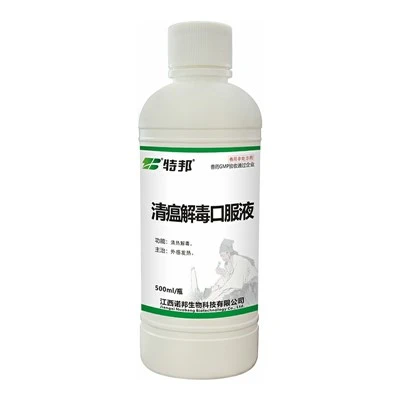
First off, let’s talk about why veterinary guidance is so important. Vets are trained to understand the health needs of livestock, and they can provide valuable insights into the weaning process. They can help you develop a weaning plan that’s tailored to your specific livestock and farm conditions. For example, they can tell you the best age to start weaning based on the breed and health of your animals. They can also recommend the right kind of feed and supplements to ensure your young livestock get the nutrition they need during this transition period.
One of the first things you should do is have a pre – weaning check – up for your young livestock. Take them to the vet a few weeks before the planned weaning date. The vet can examine them for any underlying health issues, like parasites or respiratory problems. If there are any problems, it’s better to treat them before weaning. This way, the stress of weaning won’t exacerbate any existing conditions.
When it comes to the actual weaning process, there are a few different methods, and your vet can help you choose the best one. The most common methods are abrupt weaning and gradual weaning.
Abrupt weaning is pretty straightforward – you just separate the young animals from their mothers all at once. It’s quick and easy, but it can be very stressful for the young livestock. They may experience a lot of anxiety and have a harder time adjusting to eating solid food. If you choose this method, your vet can give you some tips on how to minimize the stress. For example, they might suggest providing a familiar environment with plenty of fresh water and high – quality feed.
Gradual weaning, on the other hand, is a bit more time – consuming but can be less stressful for the animals. You can start by reducing the time the young livestock spend with their mothers over a period of several days or weeks. This gives them time to get used to being away from their moms and start relying more on solid food. Your vet can help you create a schedule for this gradual separation based on the age and development of your animals.
Another important aspect of weaning is nutrition. Young livestock need a balanced diet to grow and stay healthy. After weaning, they need to transition from milk to solid feed. Your vet can recommend the right type of feed for your animals. Usually, it should be high in protein, energy, and essential vitamins and minerals. They can also tell you how much to feed and how often.
It’s also a good idea to introduce the new feed gradually. Start by mixing a small amount of the solid feed with milk or milk replacer. Over a few days, increase the proportion of solid feed until they are eating it exclusively. This helps prevent digestive problems, like diarrhea or bloating. And if your animals do develop any digestive issues during the weaning process, your vet can prescribe the right medications or treatments.
Socialization is another factor that can’t be overlooked. Young livestock are social animals, and being separated from their mothers can be lonely. You can group the weaned animals together so they can keep each other company. This also helps them learn normal social behaviors. Your vet can tell you the ideal group size and how to introduce new animals to the group without causing too much stress.
Monitoring the health of your young livestock during the weaning process is super important. Keep an eye on their behavior, appetite, and feces. If you notice any changes, like lethargy, loss of appetite, or abnormal feces, it could be a sign of a health problem. In such cases, don’t hesitate to call your vet. Early detection and treatment can prevent more serious issues from developing.
Vaccination is also a key part of the weaning process. Your vet can recommend a vaccination schedule for your young livestock. Vaccines can protect them from common diseases, like pneumonia, foot – and – mouth disease, and other infections. By vaccinating them at the right time, you can significantly reduce the risk of illness and ensure a smooth weaning process.
Now, let’s talk about how our veterinary medicine for livestock can play a role in this whole process. We offer a wide range of products that can support the health of your young animals during weaning. For example, we have high – quality feed supplements that can boost their immune system and help with digestion. Our supplements are formulated to meet the specific nutritional needs of weaned livestock.
We also have medications for treating common health issues that may arise during the weaning process, like antibiotics for respiratory infections and dewormers for parasites. All our products are sourced from reliable manufacturers and are approved by relevant veterinary authorities.
If you’re having trouble managing the weaning process of your young livestock, don’t hesitate to reach out to us. We’re not just a supplier; we’re here to offer you support and advice. We can help you consult with our in – house vets to develop the best weaning plan for your farm. Whether you need advice on nutrition, vaccination, or treatment of health issues, we’ve got you covered.
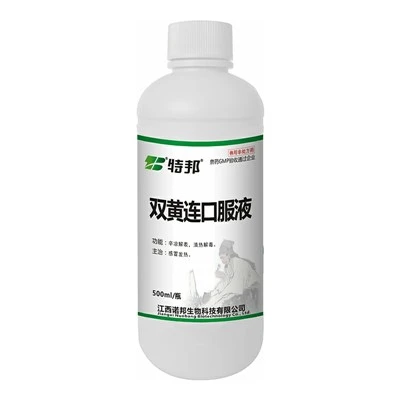
Contact us to start a discussion about how our veterinary medicine products can benefit your livestock during the weaning process. You can drop us an inquiry about our products, and we’ll be happy to provide you with more information and a competitive quote. We’re committed to helping you achieve the best results in your livestock farming operation.
Veterinary Medicine for Poultry References
- Journal of Animal Science
- Veterinary Record
- Livestock Science Reviews
Jiangxi Nuobang Biological Pharmaceutical Co., Ltd.
As one of the most professional veterinary medicine for livestock manufacturers and suppliers in China, we also support customized service. Please rest assured to wholesale high quality veterinary medicine for livestock in stock here from our factory. Welcome to contact us for quotation.
Address: High-tech Zone, Jinxi County, Fuzhou City, Jiangxi Province, China
E-mail: admin@tebangbio.com
WebSite: https://www.nuobangbio.com/
