Alright, let’s cut to the chase—if you’re here because your bathroom’s water pressure is acting like it’s on a permanent coffee break, you’re probably hunting for a bathroom pump that actually works. As a bathroom pump supplier, I’ve heard every horror story: a shower that feels like a gentle drizzle when everyone in the house flushes, a toilet that takes 10 full seconds to refill, or those weird gurgling noises that make you think your pipes are plotting something. But not all pumps are created equal—trust me, slapping any old pump on your bathroom won’t fix the issue, and it’ll just be a waste of your cash. Let’s break down the main types we work with, because knowing what you need is half the battle. Bathroom Pump
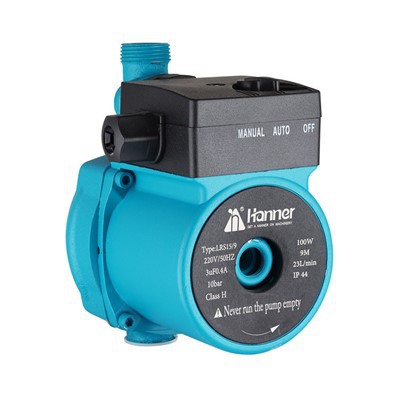
First up, there’s the booster pump, and this is like the Swiss Army knife of bathroom pumps—we install these all the time for folks whose main problem is low water pressure coming into the house. Wait, let’s be clear: booster pumps aren’t for moving water from a separate tank or anything fancy. They’re basically a pressure boost for your existing municipal or well water line. So if your shower goes from “meh” to “is that even on?” when you turn on the hot water, a booster pump’s your guy. What I love about ’em is they’re pretty versatile—they work for sinks, showers, and even baths. The only thing to keep in mind? You gotta get the right size. Too small, and you’re still dealing with weak flow. Too big, and you’ll hear that constant humming that’s gonna make you want to move your bathroom to the basement. Pro tip from our team: measure your home’s total water flow rate first—like, how many fixtures are running at once? That’ll help you nail the GPM (gallons per minute) you need. We’ve had customers come in thinking “more power = better” and end up with a pump that’s overkill and uses way more electricity than necessary. Oops.
Next, let’s talk about positive input pumps (PIPs), which are sometimes called gravity pumps, and these are for when you’ve got a loft or a bathroom that’s above the main water tank—like, if your cold water tank is in the attic, right? Regular booster pumps need water to come to them under a little pressure, but if your tank is high up, sometimes the pressure from gravity alone is too low to feed a booster. That’s where PIPs step in. They draw water directly from the tank instead of waiting for it to flow to them, so they’re perfect for bathrooms that are plumbed above the main water supply. I remember a customer last year who had a ensuite in their attic shower—their old pump was a dud because it couldn’t pull water fast enough from the tank. We swapped it for a PIP, and suddenly their shower was strong enough to wash their hair without holding the showerhead like a weapon. Just a heads up: PIPs do need to be mounted near the water tank, and you have to make sure the tank has enough water in it (duh, that’s the “positive input” part). No water in the tank, no pump working. Simple as that.
Then there are shower-specific pumps, and these are exactly what they sound like—built just for upping the pressure in your shower, no extra stuff. A lot of people with small bathrooms don’t wanna mess with a whole-house pump that might make their sink or toilet too powerful (or even cause leaks in old pipes), so a shower pump is the way to go. The cool thing here is they come in two types: single impeller and twin impeller. Single impeller is for when you only have a cold water feed that’s giving you trouble—like, if your shower’s hot water is fine from the combi boiler, but cold is weak. Twin impeller is for both hot and cold, so that’s when you’ve got low pressure on both ends, which is super common in older homes. I’ve seen twin impeller pumps installed in bathrooms where people used to have to take turns in the shower because the hot and cold would fluctuate like a bad mood. Now they can have a nice, steady flow, no more fighting. One thing to note: shower pumps are usually compatible with electric showers too? Wait, no—wait, don’t mix that up. If you have an electric shower, you don’t need a separate pump, because the shower itself has a built-in pump. Save your money there. We still get that question all the time, so just a quick heads up.
Oh, and let’s not forget about inline pumps—these are the unsung heroes, honestly. They’re small, compact, and you can mount them right in the pipe, either under the sink, behind the toilet, or even in the ceiling if you’ve got tight space. A lot of apartment dwellers love these because they don’t take up much room at all, and they’re designed to boost pressure for a single fixture, usually a sink or a toilet. Wait, but can they work for a shower? Sometimes, if it’s a small, low-demand shower. But if you’ve got a big rainfall shower head, an inline pump might not cut it because they’re not as powerful as a dedicated shower or PIP pump. The perk here is they’re easy to install—we’ve had customers who are handy with basic tools put one in themselves, as long as they follow the instructions. Just make sure you get the right flow rate, same as with any pump. We sell a lot of these for rental properties too, because landlords don’t wanna drop big cash on a whole new system, just fix the pressure for the bathroom tenants.
Wait, let’s touch on something important that I see people skip: what kind of water system do you have? If you’re on a combi boiler (those are the ones that heat water on demand, right?), you’ve gotta be extra careful with which pump you get. A lot of standard pumps work with combi boilers, but some older ones can cause issues like kettling—when the boiler makes that loud rumbling noise like it’s boiling water inside. Our team will always ask customers about their boiler type before we recommend a pump, because we don’t want someone calling us panicking a week after installation saying their boiler’s broken. If you have a combi, we usually suggest either a combi-specific booster pump or a shower pump that’s rated for combi systems. It’s not rocket science, but it’s the difference between a pump that works with your setup and one that turns your bathroom into a noise concert.
Also, let’s talk about variable speed pumps, because these are getting more popular lately. Regular pumps are either on or off, right? They run at full power whenever they’re needed, even if you only need a little boost. Variable speed pumps adjust their speed based on how much water you’re using, so they’re more energy-efficient. That’s a big plus for people who care about their electricity bills, because over time, you’ll save cash. We’ve had customers switch to these and say their monthly electric bill went down by like 10-15%, which is nothing to sneeze at. The only downside? They’re a bit pricier upfront, but we always explain that it’s an investment that pays off in the long run. No need to buy a super expensive pump if you only need it for a small bathroom, but if you’re renovating your whole ensuite, it’s worth considering.
Wait, let’s make sure I’m not missing any types. Oh, submersible pumps! But hold on—do these count as bathroom pumps? Mostly, they’re for things like flood drains or moving water from a basement, not for the actual bathroom fixtures. I’m not gonna lie, we get requests for submersible pumps sometimes when someone has a leaky basement, but that’s a different category. Today we’re talking about pumps that improve water pressure for sinks, showers, baths, toilets—so submersible pumps are out for our purposes. Good, that clears that up.
Now, let’s talk about what actually makes a pump work, because I think that helps people understand why not all pumps are the same. Each pump has something called a “head height,” which is how high it can push water. If you have a bathroom on the second floor, your head height needs to be higher than if it’s on the ground floor. That’s another thing we always check with customers—how far up the water has to go, and how far it’s moving horizontally. If you live in a two-story home, you can’t get a pump with a head height of 3 meters and expect it to push water to the third floor. We’ve seen that mistake too many times.
Another common mistake: not checking if your pipes can handle the pump. Old galvanized pipes might be corroded, and adding a powerful pump can put too much pressure on them, causing leaks. If your home is over 50 years old, we usually recommend getting a plumber to check your pipes before installing a new pump. We don’t wanna be the ones who sell you a pump that ends up damaging your pipes—our job is to fix your pressure issues, not create new ones.
So, how do you pick the right one for your bathroom? Let’s recap: first, figure out your water system (municipal, well, combi, gravity-fed). Second, what’s the problem? Low pressure in the whole house, just the shower, or a fixture? Third, where’s your bathroom located relative to your water tank or boiler? Fourth, how much space do you have for the pump? Fifth, your budget—remember, upfront cost vs. long-term savings if you go variable speed.
At the end of the day, a bathroom pump is a big deal. It’s not something you buy at the hardware store and hope for the best—you need to get one that’s matched to your specific setup. That’s where we come in, right? We’re not just selling pumps—we’re helping you solve that annoying low pressure, so you can take a nice shower without feeling like you’re standing in a light rain. If you’re confused about which type you need, or you wanna chat about which pump would work for your bathroom, just reach out to us for a procurement consultation. No pressure, no sales pitch—just honest advice from people who’ve been in the bathroom pump game for years.
Now, don’t sleep on getting the right size. We’ve had a customer a few months back who bought a cheap booster pump online, thinking it’d fix their shower. It did… for like a week. Then it burned out because it was too small for their home’s water flow. They came back to us, and we got them the correctly sized variable speed pump, and now they’re raving about their shower every single week. That’s the kind of stuff we care about—making sure our customers don’t waste their money on the wrong pump.
Also, maintenance? A lot of people forget about that, but even the best pump needs a little TLC every now and then. We usually tell people to check the pump’s filter every 6 months—sediment can build up and clog it, which makes it work harder and eventually break. It’s a quick, easy job, and it’ll extend the life of your pump by years. We sell replacement filters too, so you don’t have to go hunting for them.

At the end of the day, the whole point of a bathroom pump is to make your daily routine way less frustrating. No more waiting for the toilet to refill, no more weak shower pressure when you’re already running late, no more dealing with gurgling pipes. Whether you need a booster pump for whole-house pressure, a PIP for an attic bathroom, a shower-specific twin impeller, a compact inline pump for a small space, or an energy-efficient variable speed pump, we’ve got you covered. If you’re not sure which one fits your needs, hit us up for a procurement chat—we’ll walk you through all the options, no jargon, no hassle. Let’s get your bathroom water pressure back to where it should be, okay?
Submersible Sewage Pump References:
- Water Supply & Wastewater Services, Residential Bathroom Pump Specifications, Local Plumbing Industry Journal, 2022
- Home Improvement Depot, “Choosing the Right Bathroom Pump”, Consumer Home Guide, 2023
- American Society of Plumbing Engineers (ASPE), Pump Requirements for Residential Bathrooms, 2021
- Energy Star, Energy-Efficient Bathroom Pump Recommendations, 2023
- Plumbing Manufacturers International (PMI), Compatibility Guidelines for Bathroom Pumps and Boiler Systems, 2022
Taizhou Hanner Machinery Co., Ltd.
Taizhou Hanner Machinery Co., Ltd. is one of the leading bathroom pump manufacturers and suppliers in China. We warmly welcome you to wholesale hot selling bathroom pump from our factory. All customized products are with high quality and competitive price.
Address: Southeast Industrial Accumulation, Songmen Town, Wenling City, Zhejiang, China
E-mail: kathy@cnhanner.com
WebSite: https://www.hannerpump.com/
