If you’ve ever found yourself scrolling through handmade epoxy resin keychains on Etsy or Instagram, you’ve probably spotted the ones that look like tiny, glossy works of art—swirled neons that pop in sunlight, soft pastels that feel like holding a piece of sky, or even marbleized mixes that look like they cost way more than the $10 or $15 price tag. As someone who’s been supplying epoxy resin keychains to boutique shops and small retailers for the past five years, one question pops up in my DMs and customer emails at least once a week: “Can I use food coloring in epoxy resin for keychains?” It’s a fair question, especially if you already have food coloring on hand and don’t want to drop extra cash on resin-specific pigments. But if you’ve ever messed up a resin project—say, a keychain that stayed sticky for weeks, discolored to a murky brown, or had a weird cloudy film on top—you know that not every colorant plays nice with resin. Today, I’m breaking down the science behind why food coloring works (or doesn’t work) in epoxy, what risks come with it, and whether it’s worth using for your next keychain project. Epoxy Resin Keychains

First, let’s get the basics straight: epoxy resin is a two-part thermosetting polymer made by mixing a resin and a hardener. When those two components combine, a chemical reaction called polymerization happens, and the liquid turns into a solid, durable plastic. For that reaction to work properly, the mixture has to stay balanced—too much of one part, too much of an additive, or the wrong kind of additive can throw off the cure, leading to weak, sticky, or discolored final products. That’s where colorants come in, and not all of them are created equal. Epoxy-specific pigments (like liquid resin dyes, powder pigments, or alcohol inks) are formulated to be compatible with the resin’s chemical structure, meaning they mix evenly, don’t interfere with polymerization, and won’t shift or fade after curing. Food coloring, on the other hand, is water-based. Most standard grocery-store food coloring—whether it’s liquid gel, paste, or the little dropper bottles you use for cake icing—is made with water, propylene glycol, and synthetic or natural color dyes. That water is the first big red flag for resin.
When you add water to uncured epoxy, you’re introducing a foreign substance that the polymer doesn’t mix with. Epoxy is hydrophobic, right? It repels water. So instead of blending smoothly, the water droplets from the food coloring will bead up and either sit on top of the resin or get trapped as tiny bubbles throughout your keychain. Even if you try to stir them in thoroughly, those water molecules can disrupt the chemical bonds forming during polymerization. The result? A keychain that never fully cures, stays sticky to the touch, or develops a cloudy, foggy film within days of finishing. I’ve seen this happen time and time again with small business owners who test food coloring for keychains—they come back to me asking why their batch of 50 keychains is useless, and 9 times out of 10, they added liquid food coloring without accounting for the water content.
Wait, what about gel food coloring? I’ve heard people say gel is thicker and has less water, so it works better. Gel food coloring does have a lower water content than liquid, but it still has some water and other humectants (substances that hold moisture) in its formula. Even a tiny amount of water can be enough to mess with epoxy curing. I tested this myself a couple years back when a regular customer asked if she could use her daughter’s gel food coloring for custom birthday keychains. We did a small test batch: one set used resin dye, the other used gel food coloring. The resin dye batch cured perfectly—hard, glossy, with bright, even color. The gel food coloring batch stayed tacky for two weeks, and when we finally scraped the top layer off, there was a mushy, discolored layer underneath, like the water had separated the resin. That’s not to say every single food coloring brand will do this, but the risk is too high for a product like keychains, which people carry around every day, clip to bags, and use as reminders. You don’t want a keychain that falls apart or gets sticky in someone’s pocket a week after they buy it.
Another big issue with food coloring in epoxy is color consistency and fade. Food coloring is designed for porous, water-based things like cake batter, frosting, or fabric, not non-porous plastic resin. Once epoxy cures, it’s exposed to sunlight, temperature changes, and everyday wear and tear. Food coloring dyes are not lightfast—meaning they break down quickly when exposed to UV light. I’ve seen keychains made with red food coloring fade to a pale pink in just two months, and dark blues turn murky gray. For a small business selling handmade keychains, that’s a huge problem—customers expect their purchase to last, and if it fades after a few weeks, they’re not going to come back or recommend you to friends. Resin-specific pigments, on the other hand, are formulated to be UV-stable, so they don’t fade even after years of being carried in sunlight. They also mix evenly, so you get consistent color every time, whereas food coloring can create streaks or splotches in resin because it doesn’t blend as well with the polymer.
But hold on—before you write off food coloring entirely, there is one caveat: some people have had limited success using food coloring for resin projects, but only if they’re using it in very small amounts, and only for projects that don’t need to be durable, like temporary crafts or small decorative pieces. For keychains, though, durability and longevity are non-negotiable. Also, if you’re using natural food coloring (made from things like beet juice, turmeric, or spinach), that’s an even worse idea—those are porous, can have particles that leave bubbles, and will break down faster than synthetic dyes. I once got a sample from a customer who tried to make keychains with beet juice for a fall collection; the keychains stained her bag, left red marks on her jacket, and the beet juice seeped out over time. That’s not the kind of product that will build repeat customers.
So what’s the alternative if you don’t want to buy resin-specific pigments? There are affordable, budget-friendly options that work way better than food coloring. First, resin liquid dyes—you can get small bottles (like 10ml or 15ml) for just a few dollars, and they’re made to mix with epoxy, cure evenly, and be lightfast. Powder pigments are another great option; you only need a tiny amount (like a pinch) to get bold color, and they mix seamlessly with resin. Alcohol inks are also popular for swirled keychains, since they spread easily in epoxy without causing cure issues. I always recommend my wholesale customers start with a sample kit of resin pigments before they place a bulk order, so they can test which colors work best for their brand.
As a keychain supplier, I care about two things: the quality of the products I send to my customers, and the satisfaction of the people who buy those keychains. When a retailer comes to me asking if food coloring is okay for their custom keychain line, I’m honest: yes, you can technically mix food coloring with epoxy, but it’s not worth the risk. The chance of a batch failing, the color fading, or the keychain being sticky is too high, and that will hurt your brand in the long run. I’ve had retailers come to me after wasting hundreds of dollars on food coloring for their keychains, and they switch to resin pigments for their next order—their batches cure perfectly, their colors stay bright, and they have happy customers coming back.
If you’re a small business owner, a craft hobbyist, or someone looking to start a keychain line, the best advice I can give is to invest in the right materials. Epoxy resin is already an affordable material—you can get bulk kits at a reasonable price, and resin pigments are cheap enough that you won’t break the bank. Using food coloring might seem like a quick, free fix, but the mistakes you’ll make (sticky keychains, faded color, ruined batches) will end up costing you more time and money than buying the right supplies in the first place.
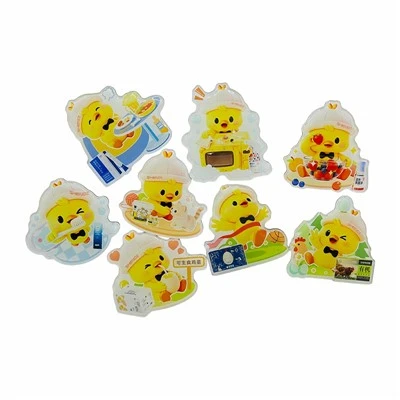
Now, I know you might have more questions. Maybe you’re testing a new line of custom keychains for a local event, or you’re a boutique owner looking to add unique colors to your inventory. I’d love to chat about your project, what you’re looking for in terms of color and durability, and how I can supply you with high-quality epoxy resin and pigments to make your keychains look their best. Reach out to my team to discuss bulk orders, sample kits, or custom color options—we’re here to help you create keychains that your customers will love for years, not just weeks.
Acrylic Standee References
- Cobb, S. (2021). The Complete Guide to Epoxy Resin Crafting. Craft Industry Press.
- American Chemistry Council. (2022). Epoxy Resin Compatibility and Additive Guide for Small Manufacturers.
- UV Stability Standards for Handmade Polymer Crafts. Craft and Hobby Association.
- Wilson, L. (2020). Colorants for Epoxy Resin: A Comparative Analysis of Common Craft Supplies. Journal of Handmade Crafts.
Wenzhou Qumange Craft Co., Ltd.
With abundant experience, we are one of the most professional epoxy resin keychains manufacturers in China. Welcome to wholesale bulk customized epoxy resin keychains at competitive price from our factory. If you have any enquiry about pricelist and free sample, please feel free to email us.
Address: Room 802, Building A1, Yuehu Light Industrial Park, Taishun County, Wenzhou City, Zhejiang Province, China
E-mail: 13806616181@139.com
WebSite: https://www.qmgcraft.com/
