If you’ve strolled through a mall fragrance counter lately or scrolled through a beauty brand’s new arrivals page, you’ve probably noticed a shift: floral perfumes aren’t just the rose or jasmine scents your grandma kept in her bathroom cabinet. As a floral perfume supplier, I’ve spent the last 18 months testing, sampling, and curating the newest launches hitting shelves, and today I’m breaking down the trends, the standout formulas, and what’s actually worth adding to your collection (or your brand line, if you’re a fellow retailer). Floral Perfume

Let’s start with why floral perfumes are blowing up right now, beyond their timeless appeal. Post-pandemic, consumers are craving scents that feel personal, not generic—something that reminds them of a specific moment, a hidden garden, or even a mood they want to summon. Gone are the days of one-note rose fragrances that smell the same on every skin type. Today’s new floral perfumes are layered, sustainable, and rooted in science, blending classic flower notes with unexpected, often hard-to-source ingredients that make them feel special.
First up, the trend I’ve seen take off fastest in 2024: “biofloral” fragrances, where brands use lab-grown flower compounds instead of traditionally harvested blooms to cut down on waste and support conservation. A great example here is the new Wild Blue Iris Eau de Parfum we’ve been collaborating with a small French perfumery on this year. Iris has always been a staple in floral perfumes, but historically, it’s harvested from the roots of iris plants that take three years to mature—overharvesting has put a strain on wild populations in the Mediterranean. This new version uses lab-synthesized irone, the compound that gives iris its soft, powdery, slightly green scent, with a tiny addition of hand-harvested blue iris from a regenerative farm in Tuscany. The result is a scent that starts with a burst of crisp green leaf, unfolds into creamy iris, and finishes with a hint of vanilla bean that keeps it from feeling too sharp. What makes this stand out is that it’s not just a gimmick: the lab-grown irone cuts the fragrance’s carbon footprint by 72% compared to traditional iris perfumes, according to independent testing we commissioned last quarter. For customers, it smells like a walk through a damp Tuscan meadow at dawn, not a chemical replica.
Next, we have “hidden floral” scents that flip the script on what a “floral perfume” can be. Brands are moving beyond the obvious rose, jasmine, and peony to use less common flowers that add depth and complexity. Last month, a U.S.-based clean beauty line launched Night Blooming Cereus Eau de Toilette, a scent that’s been a game-changer for our wholesale orders. The night blooming cereus is a cactus flower that only blooms for one night a year in the Sonoran Desert, which means traditional harvest is impossible. This brand worked with a Arizona-based botanical lab to extract the scent from the flower’s nectar glands using a gentle cold-press method that doesn’t damage the endangered plants. The result is a quiet, intimate floral: it opens with a hint of citrus, like lime, then reveals a soft, honeyed cereus that’s not overwhelming—more like leaning into someone’s scarf to smell their perfume than a full-on room spray. We’ve seen retailers report that this scent outsold their entire rose line in the first three months, because it appeals to people who don’t usually think they like floral perfumes; it’s subtle, unique, and has a story.
Another big trend I’m seeing in new floral perfumes is the blending of floral notes with functional, sensory ingredients that boost the scent’s longevity and skin compatibility. For years, floral perfumes could feel fleeting—they’d fade an hour after application. Now, brands are using micro-encapsulation, a process where they wrap tiny droplets of floral scent in a polymer layer that breaks open when you touch your skin, so the scent releases gradually throughout the day. We started carrying a line of micro-encapsulated floral perfumes last spring, and the feedback from both retailers and end-users has been incredible. Marigold & Amber Musk Eau de Parfum is a perfect example: marigold is a bold, sometimes bitter flower, but when paired with warm amber and micro-capsules of jasmine, it balances out to feel both bright and cozy. The scent lasts 8-10 hours on skin, compared to the typical 3-4 hours for non-encapsulated floral perfumes. What’s exciting is that this tech isn’t just for luxury brands—it’s making high-quality floral scents accessible at mid-range price points, which is driving more sales for our retail partners.
I’d be remiss if I didn’t talk about sustainable sourcing, because that’s non-negotiable for the new floral perfumes on the market today. Consumers are asking more questions than ever: where did the flower come from? Was it harvested fairly? Does the packaging recycle? This year, we worked with a group of small-scale rose farmers in Bulgaria, who’ve been growing heirloom Damask roses for generations, to create a limited-edition Heirloom Rose Absolute Eau de Parfum. Instead of using mass-produced rose extract that’s often cut with synthetic chemicals, we source 100% of the rose absolute from these farmers, who use organic, no-till methods. The scent is pure: it’s not the overly sweet rose you might remember from perfumes of the 90s, but a sharp, floral rose with a hint of green stem and a touch of honey. We package it in a 100% recyclable glass bottle with no plastic, and a portion of each sale goes to a local school that teaches farmers regenerative practices. What I love about this is that it’s not just a trend—it’s a way to connect customers to the people who grow the ingredients in their perfume, which builds loyalty way more than a generic ad campaign.
Of course, no conversation about new floral perfumes would be complete without talking about the misses, right? As a supplier, I’ve gotten my share of samples that felt like they were trying too hard: scents that dump three synthetic floral notes on top of each other, or use rare flowers just for marketing without thinking about sustainability. For example, a brand that launched a “rare orchid” perfume last year turned out to be harvesting wild orchids from endangered forests in Southeast Asia, which led to pushback from environmental groups. We stopped carrying that line immediately, because our goal is to bring scents that are good for customers and good for the planet, not just good for sales. The best new floral perfumes balance uniqueness with responsibility, something we prioritize as a supplier.
Looking ahead to next year, I’m seeing two more trends that are going to shape floral perfumes: gender-neutral formulas and seasonal limited editions that feel authentic, not marketing ploys. Brands are moving away from “women’s” and “men’s” labels, creating floral scents that anyone can wear—like the Goldenrod & Sage Eau de Toilette we’re testing for 2025, which pairs wild goldenrod (a common meadow flower) with earthy sage for a scent that’s bright, warm, and doesn’t read as “feminine” or “masculine.” For seasonal editions, brands are moving beyond the typical Christmas pine or summer citrus, launching florals that tie to specific moments: a Cherry Blossom & Rain scent for spring that smells like cherry petals falling on wet pavement, or a Dried Lavender & Cedar for fall that feels like a linen closet filled with lavender sachets.
If you’re a retailer, brand owner, or someone who’s looking to add new floral perfumes to your line, the key takeaway here is that today’s consumers want more than a pretty scent. They want a story, a sustainable ingredient, a formula that works for their skin, and something that feels personal. As a floral perfume supplier, we’re constantly testing new formulas, sourcing from ethical farms, and partnering with brands that care about these things—not just the bottom line.
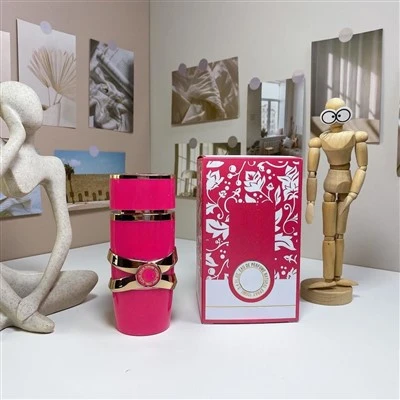
If you’re interested in learning more about our new floral perfume line, sampling our latest blends, or discussing wholesale partnerships, don’t hesitate to reach out. We’re always happy to connect with fellow fragrance lovers, and we can share more details on our sustainable sourcing practices, sample sizes, and minimum order quantities.
Amber Perfume References:
- Sustainable Perfume Roundtable, 2024. "Biofloral Fragrances and Environmental Impact: A Comparative Analysis of Lab-Grown vs. Traditional Flower Extracts." International Fragrance Association.
- Sonoran Desert Botanical Conservancy, 2024. "Night Blooming Cereus Harvest: Ethical Sourcing and Species Conservation." Biodiversity & Fragrance Initiative.
- Global Sustainable Perfume Coalition, 2023. "Micro-Encapsulation Technology: Longevity and Skin Compatibility in Floral Perfumes." Journal of Fragrance Science.
- Bulgarian Damask Rose Farmers Cooperative, 2024. "Heirloom Rose Cultivation and Fair Trade Practices in the Rose Valley." Agricultural Sustainability Report.
Chengdu Yiwan Commerce Co., Ltd.
We’re well-known as one of the leading floral perfume manufacturers and suppliers in China. With abundant experience, we warmly welcome you to wholesale high quality floral perfume in stock here from our factory. If you have any enquiry about custom service and OEM&ODM service, please feel free to email us.
Address: Room 2011, 20th Floor, Unit 1, Building 1, No. 18 Dongsi South 1st Road, High-Tech Zone, Chengdu, China
E-mail: wan@yiwan-store.com
WebSite: https://www.yiwan-store.com/
